The new exoplanet discovery has scientists excited as it orbits a star much larger and hotter than our Sun, potentially in a habitable zone.
What is a habitable zone?
A habitable zone, often referred to as the “Goldilocks zone,” is the region around a star where conditions may be just right to support liquid water on a planet’s surface. This concept is crucial in the search for life beyond Earth, especially in the context of the recent new exoplanet discovery that has garnered attention.
In a habitable zone, the temperature is neither too hot nor too cold, allowing for the possibility of water, which is essential for life as we know it. The specifics of a habitable zone can vary depending on several factors:
- Star Type: Different stars emit varying amounts of heat and light, influencing the habitable zone’s location.
- Planet Atmosphere: A planet’s atmosphere can affect its surface conditions, making it more or less capable of supporting life.
- Orbital Stability: A stable orbit ensures consistent conditions over time.
Understanding these factors helps scientists identify promising candidates for further exploration in the search for extraterrestrial life.
The significance of the new exoplanet
The recent new exoplanet discovery has sparked excitement within the scientific community, as it resides in the habitable zone of a star significantly larger and hotter than our Sun. The significance of this finding lies in the potential for this exoplanet to host conditions suitable for life. With advancements in technology, astronomers are now able to identify planets that may have the right mix of temperature, atmosphere, and liquid water, which are crucial for sustaining life as we know it.
Furthermore, understanding the characteristics of this new exoplanet can provide insights into planetary formation and evolution in differing environments. The study of such planets expands our knowledge of where life might exist beyond Earth.
Notably, the discovery also raises questions about how life could adapt to conditions on planets orbiting hotter stars. The implications of this new exoplanet discovery could redefine what we know about habitable zones and the potential for life in the universe.
How do scientists discover exoplanets?
The discovery of new exoplanets is a complex process that combines advanced technology with innovative techniques. Scientists typically employ a variety of methods to identify and confirm the existence of these distant worlds.
- Transit Method: This is one of the most common techniques, where astronomers observe the dimming of a star’s light as a planet passes in front of it. This method allows scientists to estimate the size and orbital period of the exoplanet.
- Radial Velocity Method: By measuring the star’s wobble caused by the gravitational pull of an orbiting planet, researchers can determine the planet’s mass and distance from the star.
- Direct Imaging: In some cases, scientists use powerful telescopes to capture images of exoplanets by blocking out the star’s light, making it easier to see the planet itself.
Through these methods, scientists can explore the potential for new exoplanet discovery in habitable zones, expanding our understanding of the universe.
Comparing this star to our Sun
In the quest for understanding potential life beyond Earth, comparing stars is crucial. The newly discovered exoplanet orbits a star significantly larger and hotter than our Sun. This comparison raises intriguing questions about the conditions on the exoplanet and its potential habitability.
While our Sun is a G-type star, the host star of this new exoplanet is classified as an F-type star. This classification indicates it emits more energy and has a higher temperature than our Sun. Such differences can greatly influence the characteristics of any orbiting planets.
Key factors that differentiate the two stars include:
- Size: The host star is approximately 1.5 times larger than the Sun.
- Temperature: Its surface temperature is around 6,000 to 7,500 degrees Celsius.
- Brightness: This star shines with more intensity, affecting the habitable zone’s boundaries.
These attributes make the new exoplanet discovery even more fascinating as scientists continue to explore the possibilities of life in diverse cosmic environments.
Implications for future space exploration
The recent new exoplanet discovery has significant implications for the future of space exploration. As scientists gather more data about planets located in the habitable zones of stars, they can refine their search for extraterrestrial life and potentially habitable environments beyond our solar system.
This discovery challenges previous notions about what types of stars can host habitable planets. The fact that a planet exists in the habitable zone of a star much larger and hotter than our Sun opens up new avenues for research. Scientists may need to reassess their criteria for habitability, considering factors such as:
- Planetary atmosphere composition
- Temperature variations
- Radiation levels from host stars
- Potential for water retention
Furthermore, this finding could inspire future missions to explore these unique environments, pushing the boundaries of our understanding of life and habitability in the universe.
The search for life beyond Earth
The search for life beyond Earth has captivated scientists and enthusiasts alike for decades. With the recent new exoplanet discovery, the excitement has only intensified. This discovery not only expands our understanding of potential habitats in the universe but also raises intriguing questions about the conditions necessary for life to thrive.
Researchers have long been fascinated by the concept of habitable zones, regions around stars where conditions may be just right for liquid water to exist. The newfound exoplanet, located in such a zone, offers a unique opportunity to study its atmosphere and surface characteristics. Scientists are hopeful that this might lead to evidence of biological activity.
As technology advances, the methods for detecting and analyzing exoplanets improve, allowing for more detailed studies. The implications of this research extend beyond mere curiosity; they could redefine our understanding of life’s potential in the universe. The journey to explore these distant worlds continues, fueled by discoveries that push the boundaries of our knowledge.
Recent advancements in exoplanet research
Recent advancements in exoplanet research have ushered in a new era of understanding our universe. Scientists are increasingly utilizing sophisticated technology and methods to identify new exoplanet discoveries, particularly those situated in habitable zones. These zones are critical as they define regions around stars where conditions may be just right for liquid water to exist, a key ingredient for life.
Recent findings have unveiled several significant exoplanets, including one located in the habitable zone of a star much larger and hotter than our Sun. This discovery has sparked excitement within the scientific community, highlighting the potential for varied planetary systems that contrast our own.
Moreover, innovative telescopes and advanced computational models are improving our ability to analyze atmospheres and surface conditions of these distant worlds. As researchers continue to push the boundaries of exoplanet exploration, the implications of these new discoveries could reshape our understanding of life beyond Earth.
As we progress, every new exoplanet discovery brings us closer to answering fundamental questions about our place in the cosmos.
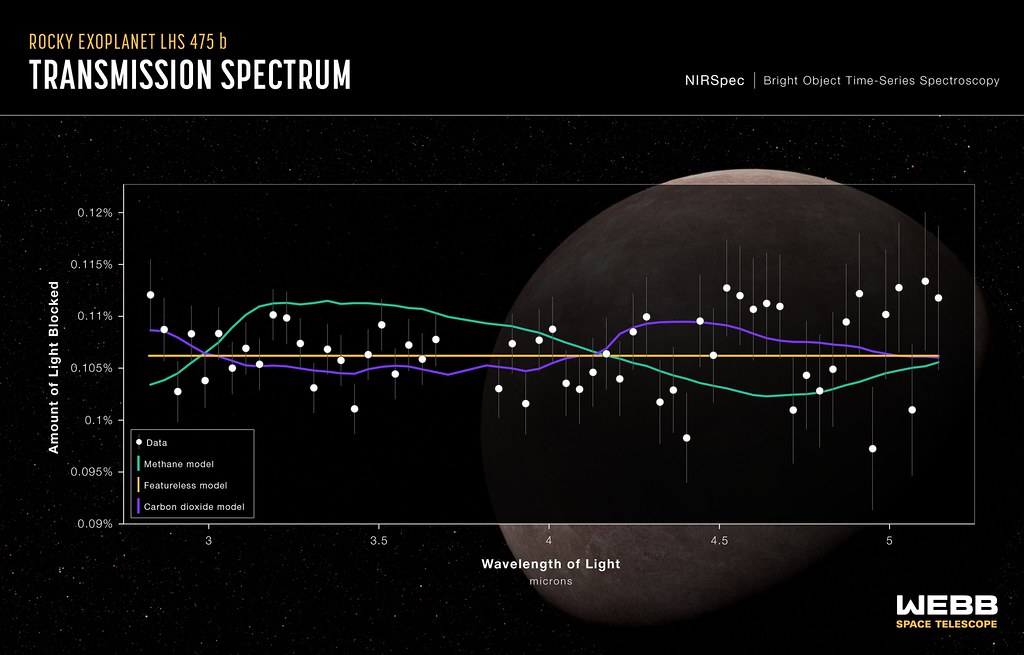
The new exoplanet discovery has sparked excitement among scientists as it lies within the habitable zone of its star. Researchers believe this new exoplanet discovery could potentially support life, making it a prime candidate for future studies.
By James Webb Space Telescope via Openverse
Where this came from
Queen’s Domain PS5 Launch: Exciting New Game Arrives Soon! · OpenAI Dots agent: Is It the Best AI Model Yet? · Tyler Perry estate is Worth a Proven $57 Million

2 thoughts on “New Exoplanet Discovery: Best Proven Habitable Zone Finds”