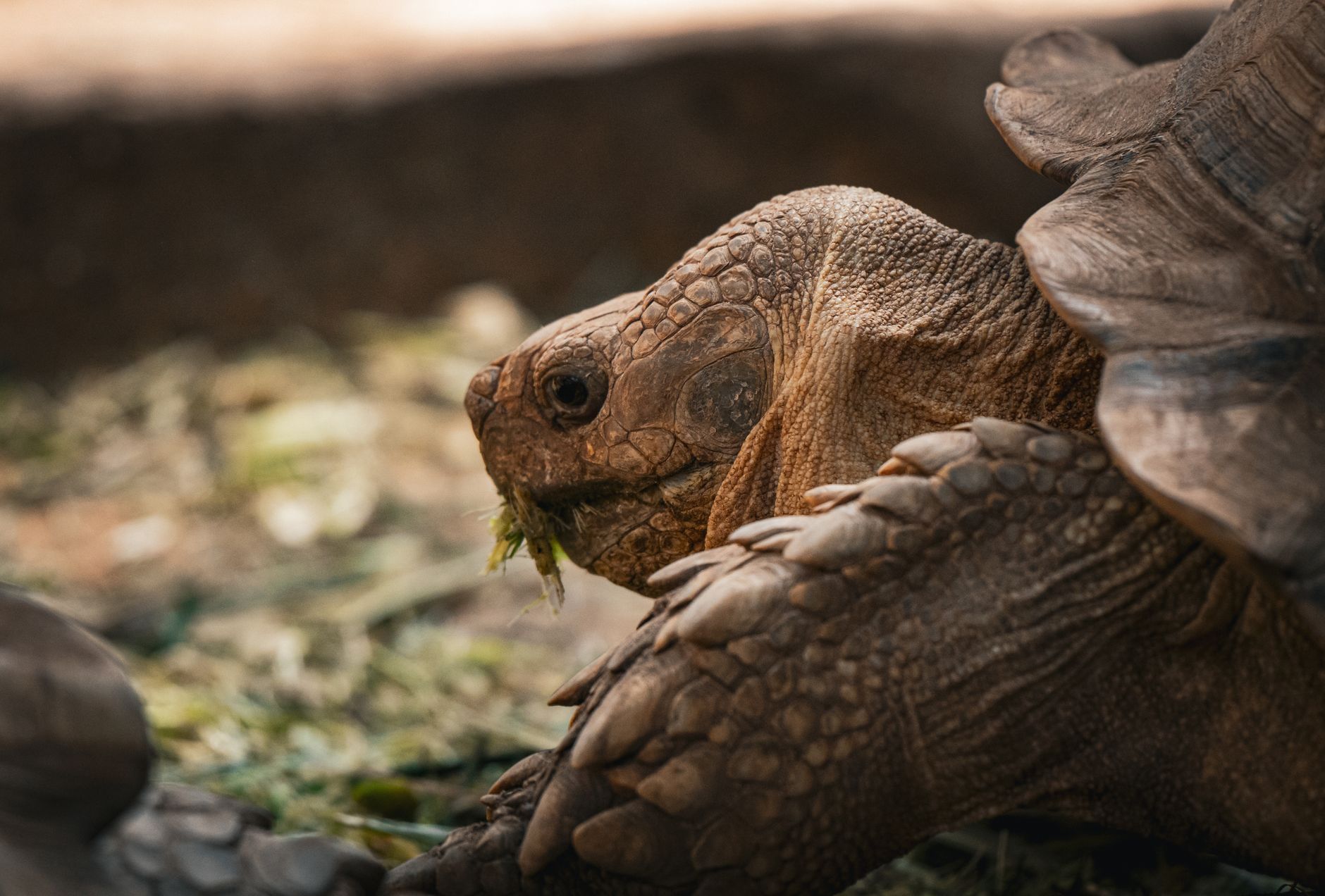
The oldest land animal has recently been the subject of a groundbreaking DNA analysis. Scientists have discovered staggering insights that shed light on its remarkable longevity and evolutionary adaptations.
What is the oldest land animal?
The title of the oldest land animal belongs to a remarkable species known as the Aldabra giant tortoise. These tortoises, native to the Aldabra Atoll in the Seychelles, have been documented to live over 200 years. Recent studies focusing on the DNA of these ancient creatures have provided insights into their incredible longevity and resilience.
Researchers have highlighted several fascinating aspects of the Aldabra giant tortoise:
- Genetic Adaptations: Their DNA reveals unique adaptations that contribute to their long lifespan.
- Environmental Impact: These tortoises play a crucial role in their ecosystem, influencing the vegetation and landscape.
- Conservation Efforts: Understanding their genetics aids in conservation strategies to protect this living fossil.
As scientists continue to unravel the mysteries surrounding the oldest land animal, the findings underscore the importance of preserving these magnificent creatures and their habitats for future generations.
Key findings from the DNA analysis
The recent DNA analysis of the oldest land animal has unveiled several remarkable findings that challenge previous assumptions about its biology and evolution. The research team employed advanced genomic sequencing techniques to delve into the genetic makeup of the creature. Here are the key findings from the analysis:
- Genetic Longevity: The DNA revealed that the oldest land animal possesses unique genetic traits associated with longevity, suggesting adaptations that allow it to thrive for extended periods.
- Evolutionary Insights: The study provided new evidence about the evolutionary history of this species, indicating it diverged from a common ancestor much earlier than previously thought.
- Environmental Adaptations: The analysis highlighted several genes linked to survival in harsh environments, demonstrating how the oldest land animal has adapted to its surroundings over millennia.
- Health Indicators: Remarkably, the DNA showed signs of resilience against age-related diseases, paving the way for further research into aging in other species.
Impact on our understanding of evolution
The analysis of the DNA from the world’s oldest land animal has profound implications for our understanding of evolution. By examining the genetic material, scientists have uncovered insights that challenge long-held beliefs about the timelines and processes of animal development on land.
Previously, it was thought that the emergence of complex land organisms occurred later in the evolutionary timeline. However, the findings suggest that the adaptations that allowed for life on land may have begun much earlier than previously believed. This has led researchers to reevaluate the evolutionary pathways that led to the diversity of land animals we see today.
Moreover, the study raises questions about the environmental conditions and ecological pressures that influenced the evolution of these ancient species. Key impacts include:
- Revised estimates of when land animals first appeared.
- A better understanding of genetic adaptations to terrestrial life.
- Insights into the evolutionary relationship between modern and ancient species.
Overall, the analysis of the oldest land animal’s DNA opens new avenues for research in evolutionary biology.
How scientists conducted the research
To uncover the mysteries surrounding the oldest land animal, scientists employed a meticulous approach to DNA analysis. They first collected samples from various specimens believed to belong to this ancient species, ensuring a diverse representation for accurate results. The research team utilized advanced sequencing technologies that allowed them to decode the genetic material with remarkable precision.
Once the DNA was sequenced, researchers compared it against existing genetic databases to identify key markers unique to this species. This comparison enabled them to trace the evolutionary history and relationships among different land animals. Additionally, scientists conducted extensive bioinformatics analyses to interpret the vast amount of data generated, revealing unexpected insights into the animal’s adaptive traits.
The research also included collaboration with paleontologists, who provided context regarding the ecological conditions during the time this animal thrived. Such interdisciplinary efforts were crucial in piecing together the evolutionary puzzle and offered a more comprehensive understanding of life on Earth millions of years ago.
Future studies on ancient species
Future studies on ancient species, including the oldest land animal, are poised to revolutionize our understanding of biological longevity and adaptation. Researchers believe that the recent DNA analysis of this remarkable creature will open new avenues for exploration in evolutionary biology.
Scientists are particularly interested in examining the genetic markers that contribute to longevity and resilience, which may provide insights into how ancient species survived various environmental challenges. Future research could focus on:
- Comparative genomics: Analyzing the DNA of other long-living species to identify common traits.
- Environmental factors: Investigating how climate and habitat changes influenced the lifespan and evolution of ancient animals.
- Conservation efforts: Utilizing findings to protect endangered species by understanding their genetic strengths.
As more data emerges, the implications of these studies may extend beyond academic interest, potentially informing conservation strategies and enhancing our understanding of biodiversity.
The significance of genetic research in wildlife
The recent DNA analysis of the oldest land animal has opened new avenues for understanding wildlife genetics. This groundbreaking research highlights the importance of genetic studies in revealing the evolutionary history of various species.
By examining the DNA of ancient creatures, scientists can uncover vital information about their adaptations and survival strategies. Such research not only sheds light on the longevity of these species but also helps in identifying genetic traits that contribute to resilience in changing environments.
Moreover, genetic analysis provides insights into the relationships among different species, helping to map out evolutionary lineages. This information is crucial for conservation efforts, especially as habitats continue to be disrupted by human activities.
As researchers delve deeper into the genetic makeup of the oldest land animal, they are poised to uncover even more staggering findings that could reshape our understanding of biodiversity and the interconnectedness of life on Earth.
Photo by Optical Chemist on Pexels


One thought on “Oldest land animal DNA analysis reveals staggering findings”