dark energy research has captivated scientists for decades as they explore the universe’s most elusive forces. Recent findings suggest that what they are chasing may be more like a cosmic ghost than a tangible entity.
What is dark energy?
Dark energy is a mysterious force that permeates the universe, accelerating its expansion. Despite constituting about 68% of the cosmos, it remains largely unknown to scientists.
This elusive energy is believed to counteract the gravitational pull of matter, leading to the phenomenon observed in distant galaxies. Researchers have devoted decades to studying dark energy, aiming to unlock its secrets and understand its implications for the universe’s fate.
Current theories suggest that dark energy may be linked to the vacuum of space itself, but concrete evidence remains sparse. The ongoing dark energy research involves multiple approaches, including:
- Observations of supernovae
- Cosmic microwave background radiation studies
- Galaxy cluster surveys
As scientists continue their quest, they hope to reveal the true nature of this cosmic ghost.
The history of dark energy research
The quest to understand dark energy has spanned several decades, evolving from theoretical speculation to a crucial area of astrophysical research. In the late 1990s, two independent teams of astronomers discovered that the universe’s expansion was accelerating, leading to the realization that a mysterious force, now known as dark energy, was at play.
This revelation prompted a flurry of studies aimed at uncovering the nature of dark energy, with scientists employing advanced telescopes and observational techniques. Key milestones in dark energy research include:
- The launch of the Hubble Space Telescope, which provided vital data on distant supernovae.
- The establishment of large-scale galaxy surveys to map cosmic structures.
- Development of theoretical models to explain the observed phenomena.
As researchers continue to pursue this elusive energy, the implications for our understanding of the universe remain profound.
Key discoveries in the field
Over the past few decades, dark energy research has led to several groundbreaking discoveries that have reshaped our understanding of the universe. Some of the key findings include:
- The Acceleration of the Universe: Observations of distant supernovae revealed that the expansion of the universe is accelerating, hinting at the influence of dark energy.
- Cosmic Microwave Background Radiation: Studies of this radiation have provided insights into the universe’s early moments, supporting the existence of dark energy.
- Large Scale Structure Surveys: Mapping galaxy distributions has shown patterns consistent with dark energy’s effects on cosmic evolution.
- Gravitational Lensing: The bending of light around massive objects has been used to infer the presence of dark energy influencing cosmic structures.
These discoveries continue to fuel the quest for understanding this enigmatic force.
Challenges faced by scientists
Scientists involved in dark energy research face a multitude of challenges that complicate their quest to understand this enigmatic force. One major hurdle is the invisibility of dark energy itself, which does not emit light or energy, making it difficult to detect directly. Instead, researchers must rely on indirect methods, such as observing the effects of dark energy on the universe’s expansion.
Additionally, the sheer scale of the universe poses another significant challenge. The vast distances involved make it hard to gather comprehensive data. To combat this, scientists utilize advanced technologies and methodologies, including:
- Large telescopes that capture distant cosmic events.
- Surveys of galaxy distributions to map cosmic structures.
- Computer simulations to model potential scenarios of dark energy behavior.
These challenges demand innovative approaches and collaboration across disciplines to unlock the secrets of dark energy.
Theories about cosmic ghosts
Scientists exploring dark energy research have proposed several theories concerning the elusive nature of cosmic ghosts. These theories aim to explain the mysterious forces driving the accelerated expansion of the universe.
Some of the prominent ideas include:
- Quantum Fluctuations: This theory suggests that tiny, temporary changes in energy levels could contribute to the effects attributed to dark energy.
- Modified Gravity: Some researchers propose that gravity behaves differently at cosmic scales, leading to an apparent acceleration of the universe’s expansion.
- Phantom Energy: This concept posits a type of dark energy that becomes more potent over time, leading to an even faster expansion.
While these theories provide intriguing insights, the true nature of dark energy remains one of the universe’s most profound mysteries.
Future of dark energy investigations
The future of dark energy research looks promising as scientists continue to explore this enigmatic force driving the universe’s expansion. With advancements in technology and observational techniques, researchers are poised to uncover new insights that could redefine our understanding of the cosmos.
Several upcoming projects aim to probe the mysteries of dark energy further:
- The Euclid Mission: Set to launch in the near future, this satellite will map the geometry of the universe, helping to clarify the role of dark energy.
- DESI (Dark Energy Spectroscopic Instrument): This project will measure the redshift of millions of galaxies, providing crucial data for dark energy research.
- Next-Generation Telescopes: Innovations in telescope technology promise to enhance our capability to observe distant celestial phenomena.
As these initiatives unfold, the quest to understand dark energy may lead to groundbreaking discoveries that could illuminate the true nature of our universe.
Implications for our understanding of the universe
The implications of dark energy research are profound, reshaping our understanding of the universe’s expansion and its ultimate fate. As scientists delve deeper into this enigmatic force, they uncover potential connections to fundamental questions about the nature of reality.
Recent findings suggest that dark energy may not be a single entity but rather a complex interplay of forces influencing cosmic behavior. This complexity raises several questions:
- How does dark energy interact with matter?
- What role does it play in the formation of galaxies?
- Can we ever fully grasp its implications on cosmic scale?
As researchers continue their quest, the pursuit of understanding dark energy may lead to discoveries that redefine physics and our place in the cosmos. The journey to reveal these cosmic ghosts remains just as critical as the destination.
Dark energy research has become a pivotal focus in understanding the universe’s accelerated expansion. As scientists delve deeper into dark energy research, they hope to uncover the mysterious forces shaping our cosmic landscape.
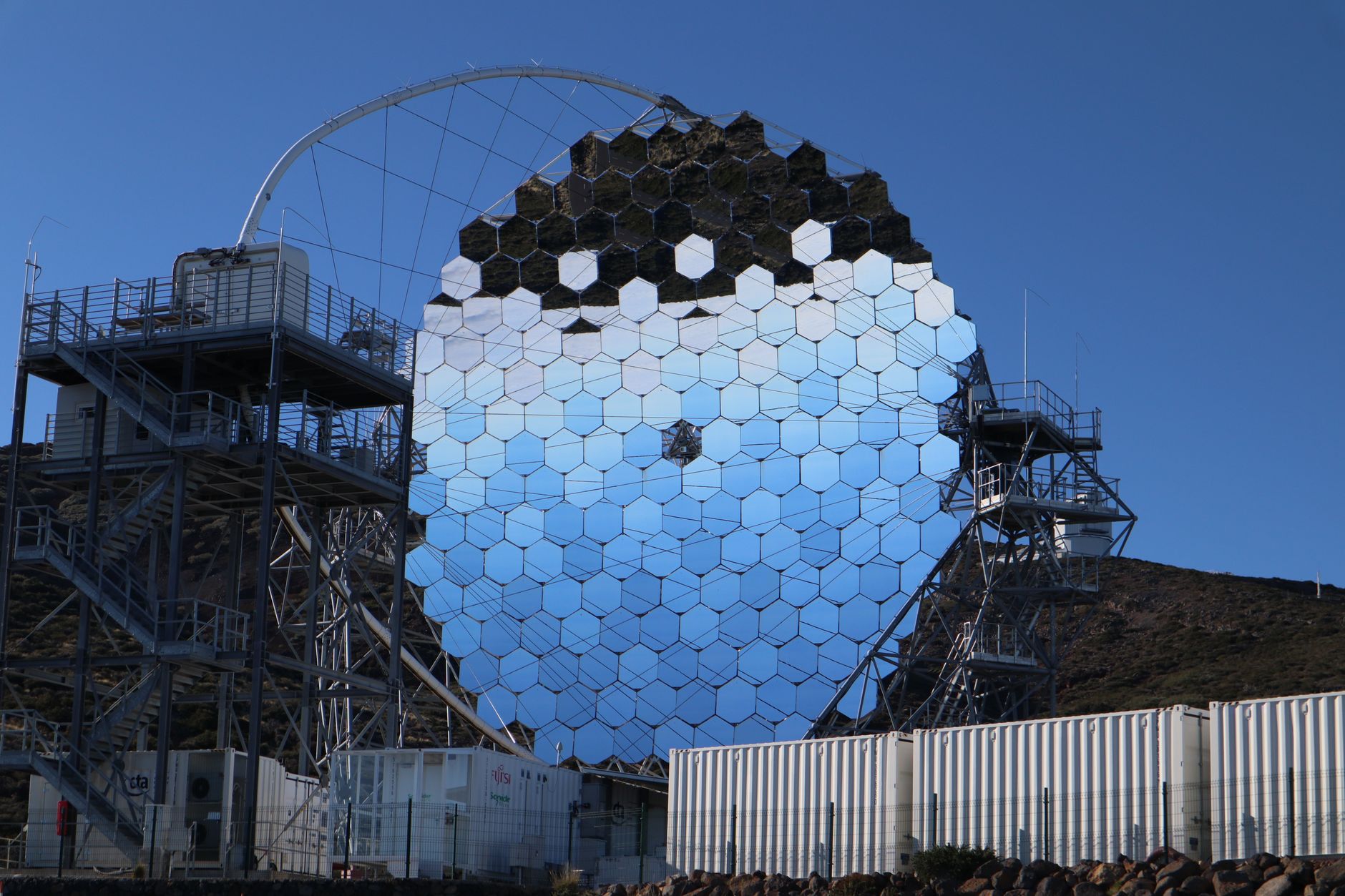
Photo by Michael Goddard on Pexels


One thought on “Dark energy research: The real hunt for cosmic ghosts”