true polar wander has been uncovered in a recent study of Hawaiian hot spots, providing intriguing insights into Earth’s geological history.
What is True Polar Wander?
True polar wander is a geological phenomenon that describes the movement of the Earth’s solid outer shell relative to its rotational axis. This movement occurs over geological timescales and can lead to significant shifts in the positions of the poles. As the continents drift and tectonic plates shift, the Earth’s crust can rotate, resulting in a change in the geographic location of the poles.
Recent studies, particularly one conducted on Hawaiian hot spots, have provided compelling evidence supporting the occurrence of true polar wander. Researchers found that the orientation of volcanic island chains in Hawaii aligns with significant shifts in the Earth’s magnetic field, suggesting a historical movement of the poles. This evidence underscores the dynamic nature of our planet and its ability to undergo substantial changes over millions of years.
Understanding true polar wander is crucial for geoscientists as it helps explain patterns of climate change, ocean circulation, and the distribution of biological species throughout Earth’s history. By studying these shifts, scientists can gain insights into past climatic conditions and predict future changes.
Key Findings from the Study
The recent study conducted on the Hawaiian hot spot has revealed several key findings that provide compelling evidence of true polar wander. Researchers analyzed volcanic rock samples from the island, which were formed over millions of years. The results indicated significant shifts in the Earth’s magnetic field, supporting the hypothesis of polar wander.
- Stable magnetic signatures: The volcanic rocks exhibited stable magnetic signatures that aligned with past positions of the Earth’s magnetic poles, demonstrating a historical movement over geological time.
- Rate of movement: The study estimates that true polar wander has occurred at a rate of several centimeters per year, highlighting the dynamic nature of the Earth’s crust.
- Geological implications: These findings may have profound implications for understanding plate tectonics and the Earth’s overall climate history.
Overall, the evidence gathered from this Hawaiian study strengthens the case for true polar wander, suggesting it is a significant factor in shaping our planet’s geological and environmental landscape.
Implications for Earth Science
The recent findings from the Hawaiian hot spot study have significant implications for the field of Earth science. True polar wander, the gradual movement of the Earth’s geographic poles, challenges long-held assumptions about the stability of our planet’s rotational axis over geological time scales.
Researchers suggest that understanding true polar wander can enhance our knowledge in several areas:
- Climate Change: By analyzing the historical positions of the poles, scientists can gain insights into the climate conditions of the past, helping to predict future climate scenarios.
- Tectonic Activity: True polar wander is closely linked to tectonic plate movements, which can influence seismic activity and volcanic eruptions.
- Geological History: The study of polar wander provides a window into the geological processes that have shaped the Earth, allowing for a more comprehensive understanding of its history.
As researchers continue to investigate the mechanisms behind true polar wander, the implications of these findings could reshape our understanding of both past and present Earth dynamics.
How Does This Affect Climate Change?
The phenomenon of true polar wander has significant implications for our understanding of climate change. As the Earth’s poles shift over time, they can influence global climate patterns, affecting weather systems and ocean currents. This movement alters the distribution of solar energy received by different regions, potentially leading to changes in temperature and precipitation patterns.
Moreover, true polar wander can impact the stability of ice sheets and glaciers, which are critical indicators of climate change. As the poles drift, areas that were once cold may experience warming, further exacerbating ice melt and sea-level rise. This shift not only poses risks to coastal communities but also disrupts ecosystems that rely on stable climates.
Understanding the mechanisms behind true polar wander can help scientists predict future climate scenarios. By examining past shifts in the poles, researchers can gain insights into how similar events may affect our planet in the coming decades, emphasizing the need for continued study in this area.
Understanding Geological Processes
True polar wander is a phenomenon that involves the movement of the Earth’s rotational axis relative to its surface. Understanding this geological process is essential for interpreting the planet’s long-term changes and shifts. Geologists have long studied the mechanisms behind true polar wander, which can provide insights into tectonic movements and the dynamics of Earth’s interior.
Several factors contribute to true polar wander, including:
- Plate tectonics: The movement of tectonic plates can shift the distribution of mass on the Earth’s surface, influencing the planet’s rotational axis.
- Glacial loading: The weight of ice sheets can cause the Earth’s crust to deform, leading to shifts in the geographic poles.
- Magnetic field changes: Variations in the Earth’s magnetic field can affect the overall stability of its rotational axis.
By studying these processes, scientists can gain a clearer understanding of how true polar wander has shaped the Earth’s climate and environment over millions of years, revealing the interconnectedness of geological and climatic systems.
Future Research Directions
The recent findings from the Hawaiian hot spot study open up several avenues for future research into true polar wander. Scientists are now encouraged to explore the relationship between tectonic plate movements and geomagnetic reversals, which may provide additional insights into the mechanics of polar shifts.
Further studies could involve:
- Long-term Climate Records: Analyzing sediment cores from various locations to understand how true polar wander has influenced past climate conditions.
- Geological Mapping: Conducting detailed geological surveys of other hot spots globally to identify similar patterns of polar movement.
- Modeling Earth’s Magnetic Field: Developing advanced models that incorporate true polar wander to predict future changes in Earth’s magnetic field.
- Interdisciplinary Approaches: Collaborating with climate scientists to assess how past polar wander events may have affected global temperatures and ocean currents.
These future research directions will not only enhance our understanding of true polar wander but also contribute significantly to the broader field of Earth sciences.
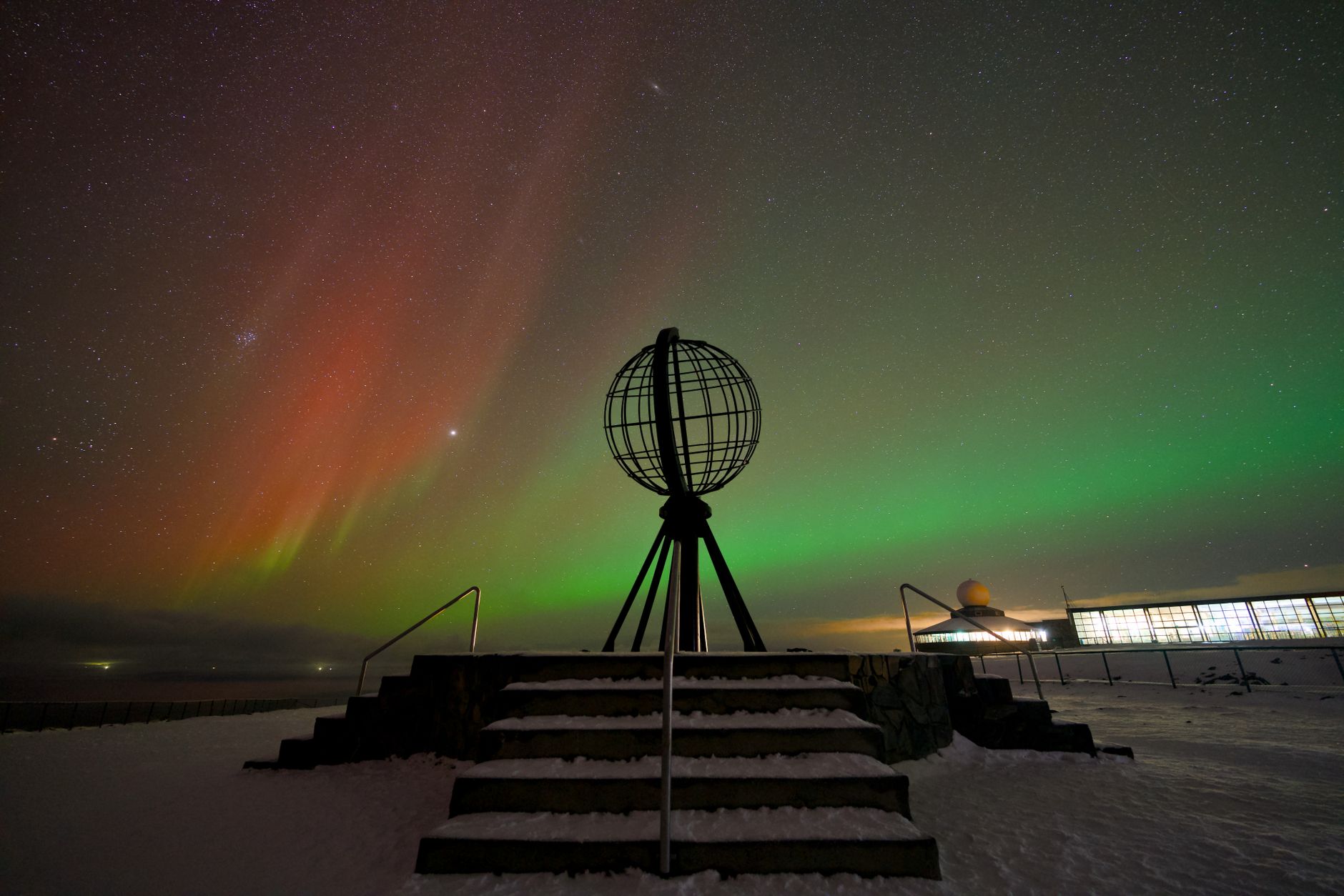
Photo by Susanne Jutzeler, suju-foto on Pexels


One thought on “True Polar Wander: Proven Evidence from Hawaiian Study”