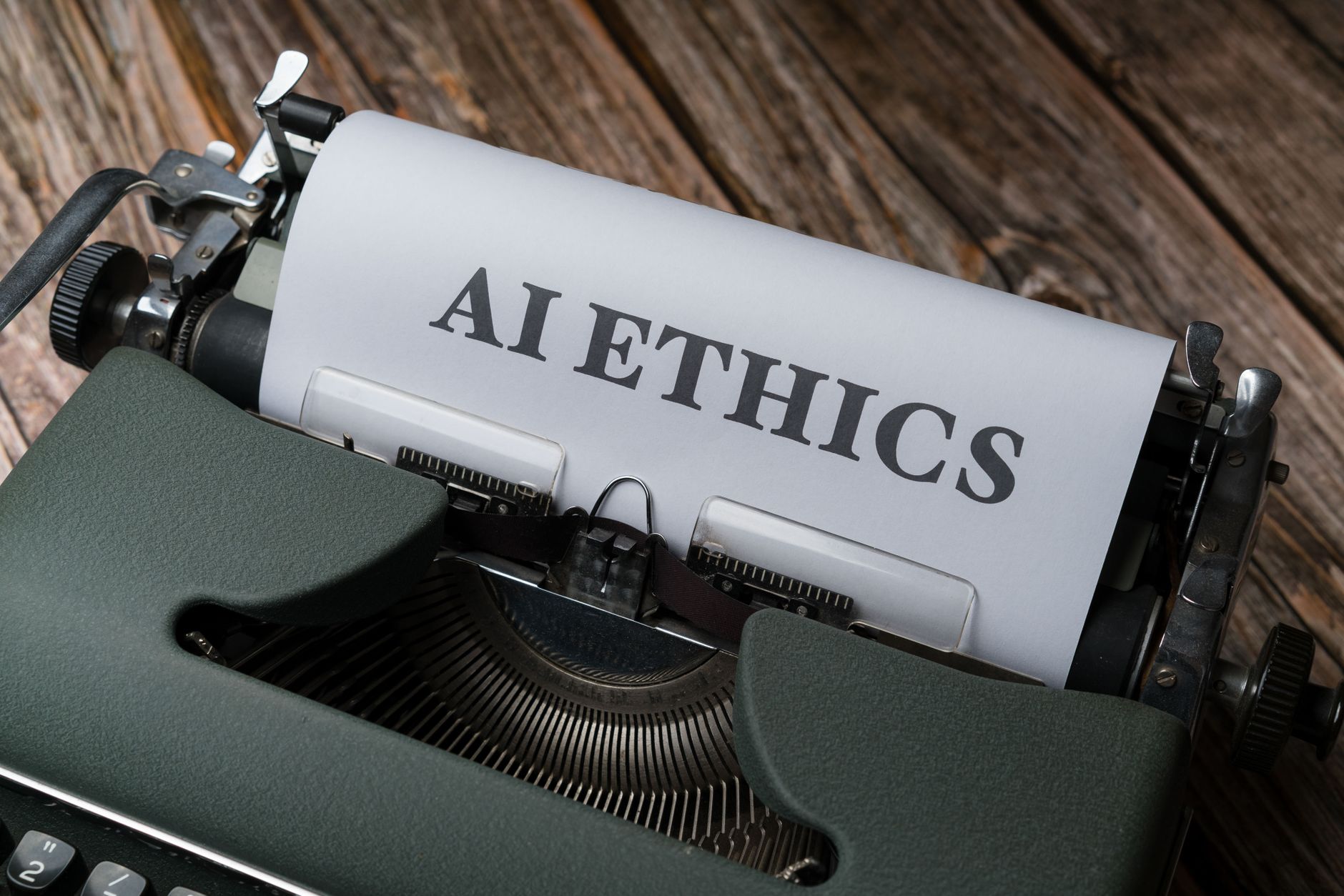
AI regulations are becoming increasingly important as industry leaders like Bill Gates advocate for their implementation. These regulations could mirror those governing medicines and cars, ensuring safety and accountability.
The Importance of AI Regulations
The rapid advancement of artificial intelligence (AI) technologies has prompted significant discussions around the need for effective regulations. As AI systems increasingly influence various sectors, the importance of AI regulations cannot be overstated. Industry leaders, including Bill Gates, have emphasized the necessity of establishing rules akin to those governing medicines and automobiles to ensure public safety and ethical standards.
Many experts argue that without proper oversight, the benefits of AI could be overshadowed by potential risks. These risks include:
- Safety concerns: Unregulated AI systems may lead to accidents or malfunctions, particularly in critical areas such as transportation and healthcare.
- Privacy violations: AI technologies often rely on vast amounts of personal data, raising concerns about data security and individual privacy.
- Bias and discrimination: AI systems can perpetuate existing biases if not properly managed, leading to unfair treatment of certain groups.
Advocates for AI regulations argue that creating a framework for accountability will not only protect individuals but also foster innovation. By setting standards, developers can work within a safe environment, leading to advancements that benefit society as a whole. As discussions continue, the question remains: are AI regulations the right solution for safety, or do they pose additional challenges for innovation?
How AI Regulations Can Enhance Safety
As the conversation around the necessity of AI regulations intensifies, many experts argue that implementing structured guidelines can significantly enhance safety across various sectors. By establishing a regulatory framework, stakeholders can ensure that AI technologies are developed and deployed responsibly.
One way AI regulations can enhance safety is through:
- Standardization: Regulatory measures can create a set of standards that all AI developers must adhere to, minimizing risks associated with poorly designed systems.
- Accountability: Regulations can enforce accountability among AI creators, compelling them to prioritize safety and ethical considerations in their products.
- Transparency: With clear guidelines, developers may be required to disclose how AI algorithms function, making it easier for users to understand the potential risks involved.
- Public Trust: Implementing AI regulations can enhance public trust in technology, as consumers are more likely to adopt systems that are perceived as safe and reliable.
Moreover, as Bill Gates suggested, drawing parallels between AI regulations and those governing medicines and automobiles can help frame the discussion. Just as these industries are held to high safety standards, AI should also be subjected to rigorous scrutiny to protect users and society at large.
Bill Gates’ Perspective on AI Oversight
In a recent discussion about the future of artificial intelligence, Bill Gates emphasized the urgent need for comprehensive AI regulations to ensure safety and ethical use. He likened the necessity of these regulations to the stringent rules that govern the pharmaceutical and automotive industries. According to Gates, just as medications require rigorous testing before they reach the public, AI technologies should also undergo thorough evaluations to prevent potential risks.
Gates pointed out several key areas where oversight could be beneficial:
- Accountability: Developers of AI systems should be held responsible for their creations, ensuring that they adhere to safety standards.
- Transparency: Users should have access to information about how AI systems make decisions, fostering trust and understanding.
- Collaboration: Governments, tech companies, and researchers must work together to establish a framework for ethical AI development.
He argued that without proper AI regulations, society risks facing unforeseen consequences as these technologies become more integrated into daily life. Gates believes that proactive measures can prevent misuse and help harness AI’s potential for the greater good. By implementing similar safeguards as those in place for cars and medicines, we could pave the way for a safer and more responsible AI landscape.
Comparing AI Regulations to Other Industries
As the discussion around AI regulations intensifies, it is essential to compare the proposed frameworks for artificial intelligence to regulations in other critical industries, such as pharmaceuticals and automotive. Both of these sectors have established extensive safety protocols that serve as a model for how regulations could be structured for AI.
In the pharmaceutical industry, drug approval processes are rigorous, requiring extensive testing and clinical trials to ensure safety and efficacy before products reach consumers. This level of scrutiny helps prevent adverse effects and ensures that medications are beneficial. Similarly, AI regulations could mandate comprehensive testing phases, allowing for thorough assessments of algorithms before they are deployed in real-world applications.
In the automotive sector, regulations surrounding vehicle safety have evolved significantly, particularly with the introduction of self-driving technology. Regulations require manufacturers to demonstrate that their cars meet safety standards, which includes extensive testing in various conditions. Emulating this approach, AI regulations could necessitate transparency in AI systems’ decision-making processes and performance metrics.
By looking at how regulations have been successfully implemented in other industries, policymakers can better understand the potential impact of AI regulations. Such comparisons may offer valuable insights into creating a framework that prioritizes safety while fostering innovation in the rapidly evolving landscape of artificial intelligence.
Potential Challenges in Implementing AI Rules
As discussions around AI regulations gain momentum, several potential challenges emerge that could hinder effective implementation. One primary concern is the rapid pace of technological advancement in artificial intelligence. The speed at which AI evolves may outstrip the ability of regulatory frameworks to keep up, leading to outdated rules that fail to address current risks. This could result in a regulatory landscape that is more reactive than proactive.
Another challenge is the complexity of AI systems themselves. The intricacies involved in machine learning and algorithm development make it difficult to create regulations that are both comprehensive and understandable. Regulators may struggle to define clear standards, which could lead to confusion and inconsistent enforcement across different jurisdictions.
Moreover, the global nature of AI technology poses a significant hurdle. Different countries may adopt varying regulations, creating discrepancies that complicate international collaboration and compliance for tech companies. This fragmentation could stifle innovation and lead to regulatory arbitrage, where companies choose to operate in regions with less stringent rules.
Additionally, there is the risk that overly stringent regulations could hinder innovation and investment in the AI sector. Striking the right balance between ensuring safety and fostering growth will be crucial as stakeholders navigate the landscape of AI regulations.
Global Perspectives on AI Governance
As the conversation around AI regulations intensifies, various countries are adopting distinct approaches to govern this rapidly evolving technology. In Europe, the European Union has been at the forefront, proposing the Artificial Intelligence Act, which aims to establish a comprehensive legal framework that addresses both innovation and safety. This legislation categorizes AI systems based on risk levels, imposing stricter requirements on high-risk applications while encouraging a balanced approach to innovation.
In contrast, the United States has yet to implement a unified regulatory framework. Instead, the approach has been more decentralized, with various states and federal agencies exploring different guidelines. This fragmented landscape raises questions about the effectiveness of enforcement and the overall consistency in AI governance across the nation.
Meanwhile, countries like China are moving rapidly to implement strict regulations focused on controlling the narrative around AI technology. Their regulations often emphasize state control and surveillance, raising concerns among privacy advocates regarding the potential for misuse.
Despite these differing approaches, a common thread remains: the growing recognition that effective AI regulations are crucial for ensuring safety and ethical use. As nations continue to grapple with the implications of AI, the global dialogue on governance will likely shape the future of this transformative technology.
The Future of AI and Regulation
The future of artificial intelligence (AI) is one marked by both promise and uncertainty, raising critical questions about the necessity and effectiveness of AI regulations. As technology continues to advance at a rapid pace, the dialogue surrounding AI regulations becomes increasingly vital for ensuring safety and ethical standards across industries.
Several experts argue that the implementation of comprehensive AI regulations could provide a framework for managing the inherent risks associated with advanced technologies. These regulations could address issues such as data privacy, bias in algorithms, and accountability for AI-driven decisions. As Bill Gates suggests, drawing parallels between AI regulations and those governing medicines and cars may pave the way for establishing robust guidelines that prioritize public safety.
However, critics warn that overly stringent regulations might stifle innovation and hinder the development of beneficial AI applications. Striking a balance between fostering innovation and ensuring safety is essential for the future of AI.
As governments and organizations around the world contemplate the best approaches to AI governance, it is critical to engage stakeholders from various sectors to craft regulations that are both effective and adaptable. The evolving landscape of AI will demand a collaborative effort to create policies that not only safeguard society but also promote responsible innovation.
Ultimately, the ongoing discussion surrounding AI regulations will shape the trajectory of technology and its impact on our lives.
Conclusion: The Need for Responsible AI
As discussions about the necessity of AI regulations continue to evolve, it becomes increasingly clear that responsible governance is vital for harnessing the potential benefits of artificial intelligence while mitigating associated risks. The rapid advancement of AI technologies poses unique challenges that cannot be overlooked, as they may impact everything from job security to personal privacy.
In light of these complexities, a balanced approach is essential. Regulations should not stifle innovation but instead provide a framework that fosters safe development and deployment of AI systems. This includes ensuring transparency in AI algorithms, establishing accountability for AI-driven decisions, and protecting users from potential harm.
Experts, including Bill Gates, suggest that lessons can be learned from industries such as pharmaceuticals and automotive manufacturing, where stringent regulations have enhanced safety and consumer trust. By implementing similar standards for AI, we can create a culture of responsibility and ensure that all stakeholders are aligned towards common safety goals.
Moreover, it is crucial to engage in global dialogues to harmonize these regulations across borders. As AI technology knows no boundaries, international cooperation will be key to creating effective and comprehensive governance frameworks. Ultimately, the future of AI relies on our ability to set responsible regulations that prioritize safety while encouraging innovation.
Photo by Markus Winkler on Pexels
Read the original
Mashable India · AI regulation
Related stories
Licensed operator in Brazil: The Right Choice for Gamblers · Pakistan vs Sri Lanka Prediction: The Best Match Insights · Cristiano Ronaldo suspension: Worst decision for Portugal?


One thought on “AI regulations: Are they the right solution for safety?”