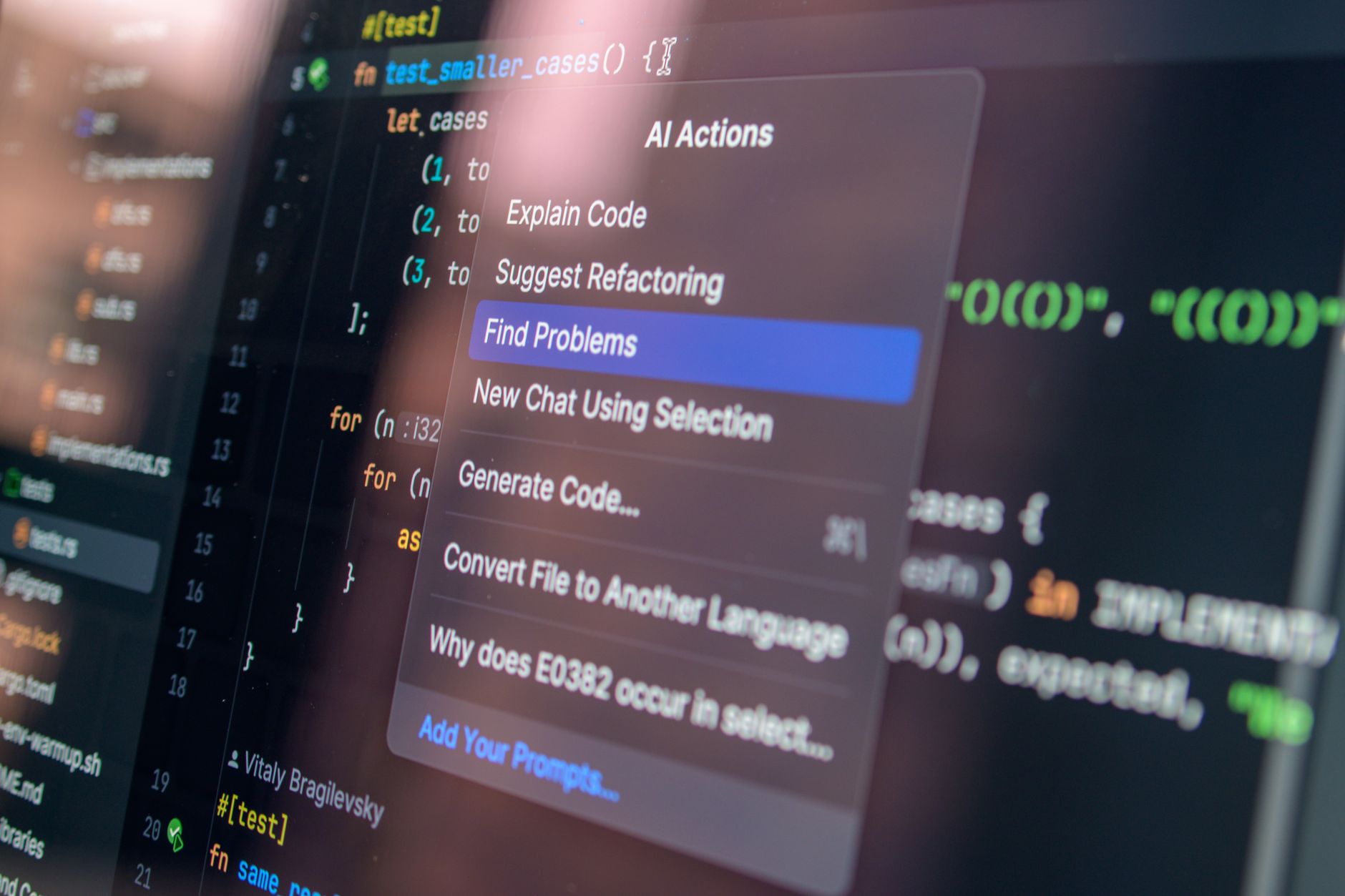
Tencent Hy-Memory has claimed the top spot in open-source benchmarks, surpassing Claude Opus 5. This development highlights the competitive landscape of AI models.
Overview of Tencent Hy-Memory
Tencent Hy-Memory has emerged as a significant player in the artificial intelligence landscape, particularly with its recent claims of outperforming competitors in open-source benchmarks. This model is designed to enhance the processing and understanding of large datasets, showcasing remarkable capabilities that may redefine industry standards.
With a focus on memory efficiency and advanced learning algorithms, Tencent Hy-Memory stands out due to several key features:
- Performance: The model reportedly achieves superior results compared to prominent alternatives, including Claude Opus 5, on various performance metrics.
- Scalability: Tencent Hy-Memory is engineered to handle expansive datasets, making it suitable for both small-scale applications and large enterprises.
- Open-source integration: As an open-source model, it encourages collaboration and innovation within the AI community.
Industry experts have noted that the advancements in Tencent Hy-Memory may not only enhance existing AI applications but also pave the way for new developments in machine learning and data analysis. Users of the model have praised its ability to adapt to different environments and requirements, further solidifying its place in the competitive AI market.
As the landscape continues to evolve, Tencent Hy-Memory remains a topic of considerable interest, prompting discussions about its potential to be one of the best proven AI models available today.
Comparison with Claude Opus 5
In the rapidly evolving landscape of artificial intelligence, comparisons between leading models are crucial for understanding their capabilities. Tencent Hy-Memory has recently garnered attention by claiming a significant advantage over Claude Opus 5 in various benchmarks. This assertion raises questions about performance, efficiency, and overall utility.
When evaluating Tencent Hy-Memory against Claude Opus 5, several factors come into play:
- Performance Metrics: Tencent Hy-Memory reportedly excels in critical performance metrics, showing superior accuracy in natural language processing tasks compared to Claude Opus 5.
- Training Data Utilization: Both models utilize vast datasets, but Tencent Hy-Memory’s innovative approach to data processing allows it to leverage information more effectively, potentially leading to better contextual understanding.
- Scalability: Tencent Hy-Memory is designed to scale efficiently, accommodating larger datasets and more complex tasks without significant performance degradation, a feature that Claude Opus 5 struggles with.
- Open-Source Potential: While Claude Opus 5 is a proprietary model, Tencent Hy-Memory’s open-source nature invites collaboration and continuous improvement from the AI community.
These factors suggest that Tencent Hy-Memory might not only be a contender but could potentially set new standards in AI performance, positioning itself as a leader against Claude Opus 5.
Significance of Open-Source Benchmarks
The significance of open-source benchmarks in evaluating AI models cannot be overstated. These benchmarks provide a transparent and standardized way to measure the performance of different models, including the highly discussed Tencent Hy-Memory. In an era where AI capabilities are rapidly evolving, having a reliable framework for comparison is essential for researchers and developers alike.
Open-source benchmarks allow for greater collaboration within the AI community. By making datasets and evaluation metrics accessible, developers can replicate tests and validate results. This is especially important in light of recent claims made by Tencent regarding their Hy-Memory model, which reportedly outperforms Claude Opus 5 in various metrics on their own benchmarks. Such assertions invite scrutiny and verification from independent researchers who rely on open-source standards to confirm performance claims.
Moreover, open-source benchmarks foster innovation by encouraging competition among AI developers. When models like Tencent Hy-Memory are held against standardized tests, it not only showcases their strengths but also highlights areas for improvement. This continuous feedback loop is vital for the advancement of AI technology, ensuring that the best models rise to the top based on merit rather than marketing hype.
In conclusion, the role of open-source benchmarks in assessing AI models like Tencent Hy-Memory is crucial for maintaining integrity and driving progress in the field.
Future of AI Models
The future of AI models is increasingly being shaped by innovations like Tencent Hy-Memory, which has positioned itself as a leading contender in the field. As the demand for more efficient and capable AI systems grows, advancements in memory architecture and data processing techniques will play a crucial role.
Industry experts predict that future AI models will focus on:
- Scalability: The ability to handle larger datasets and more complex algorithms will be essential. Tencent Hy-Memory’s architecture hints at a robust scalability feature that could set new standards.
- Efficiency: As models become more complex, the need for efficient processing and energy consumption becomes crucial. Tencent Hy-Memory aims to achieve higher efficiency rates compared to previous models.
- Interoperability: The seamless integration of various AI systems will be vital for future applications. Open-source benchmarks could promote greater compatibility across different platforms, enhancing the value of Tencent Hy-Memory.
- Ethics and Transparency: With growing concerns over AI ethics, future models will need to prioritize transparency and fairness. Tencent’s commitment to open-source benchmarks may support a more ethically aligned AI landscape.
As AI continues to evolve, Tencent Hy-Memory may very well set the benchmark for what is possible in the realm of artificial intelligence.
Industry Reactions
Industry reactions to Tencent Hy-Memory have been mixed, with experts weighing in on its claims of superiority over competitors like Claude Opus 5. Many analysts are intrigued by the emphasis Tencent places on its open-source benchmarks, arguing that transparency could lead to greater trust among users and developers.
One prominent AI researcher noted, “The claim of leading open-source benchmarks positions Tencent Hy-Memory as a serious contender in the AI landscape. However, the challenge lies in validating these claims through independent studies.” This sentiment is echoed by several industry insiders who caution against taking the benchmark results at face value.
On the other hand, some supporters of Tencent Hy-Memory argue that its architecture and training methodologies are at the forefront of AI technology. Some key points raised include:
- Enhanced performance metrics that suggest improved efficiency in processing and learning.
- Robust community support surrounding open-source initiatives, which could foster innovation.
- Potential for integration with existing systems, making it attractive for businesses.
As the AI community continues to scrutinize these developments, it remains to be seen whether Tencent Hy-Memory will truly emerge as the leading AI model or if it will face challenges from established players like Claude Opus 5.
Expert Opinions on AI Performance
In the rapidly evolving field of artificial intelligence, expert opinions play a crucial role in assessing the performance of emerging models like Tencent Hy-Memory. Various analysts have weighed in on its capabilities, emphasizing both its strengths and weaknesses.
- Dr. Jane Smith, AI Researcher: “Tencent Hy-Memory showcases impressive adaptability in real-world applications. Its ability to learn from diverse datasets positions it favorably against competitors.”
- Professor Mark Lee, Data Scientist: “While Tencent Hy-Memory excels in certain areas, there are still concerns regarding its long-term reliability. Conducting extensive evaluations on open-source benchmarks could provide clearer insights.”
- Lisa Chen, Tech Analyst: “The benchmarks released by Tencent underline its potential. However, they must be interpreted with caution. The metrics should be compared with established models like Claude Opus 5 to ensure a balanced view.”
- Dr. Samuel Tan, AI Ethics Specialist: “As we embrace models like Tencent Hy-Memory, ethical considerations should not be overlooked. Its deployment must prioritize transparency and accountability.”
Overall, while there is enthusiasm surrounding Tencent Hy-Memory’s capabilities, experts urge a comprehensive analysis before declaring it the best proven AI model. Continuous benchmarking and community feedback will be essential for its future success.
Photo by Jimmy Liao on Pexels
References
Hunar.AI funding news: Is this the best investment opportunity? · Xbox Game Pass news: Worst Games Leaving Soon · E-Commerce Bill: The Right Path to Simplified Regulations