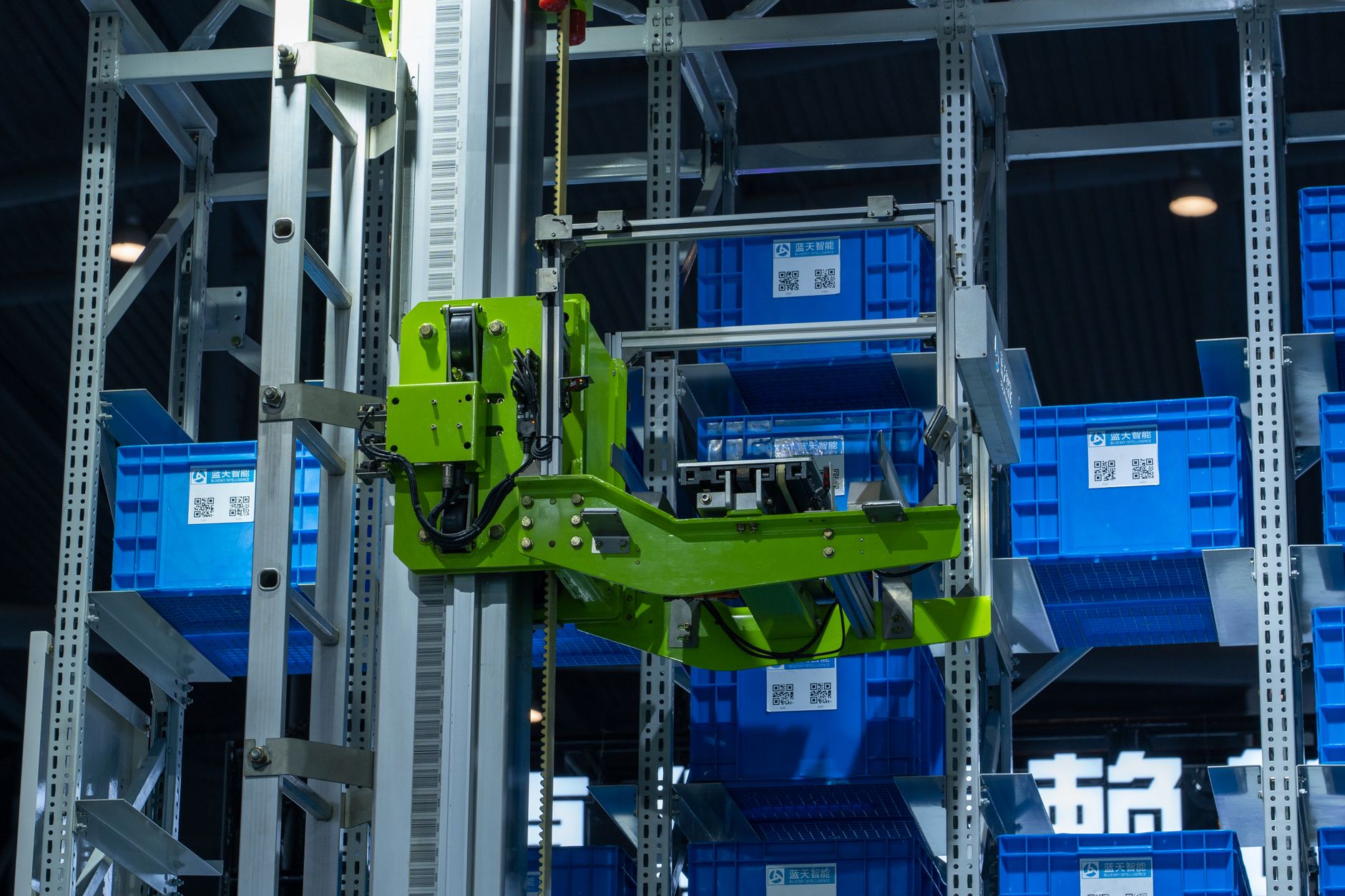
The AI chip supply chain is facing heightened scrutiny following Nvidia’s staggering $4.6 billion investment in Southeast Asia. This development raises questions about the future of AI technology in the region.
Understanding the AI Chip Supply Chain Dynamics
The AI chip supply chain has become a focal point for industry analysts, particularly with recent developments surrounding Nvidia’s substantial investment. Understanding the dynamics of this supply chain is crucial as it directly impacts technology innovation and market competition.
Southeast Asia has emerged as a significant hub for AI chip manufacturing, drawing attention due to the influx of capital and technology from major players like Nvidia. The intricacies of this supply chain can be summarized in the following key factors:
- Raw Material Sourcing: The availability of essential materials such as silicon and rare earth elements is vital for chip production.
- Manufacturing Processes: Advanced fabrication facilities are necessary to produce high-performance chips efficiently.
- Logistics and Distribution: The movement of components across borders must be optimized to meet the growing demand swiftly.
- Regulatory Challenges: Compliance with international trade regulations can significantly impact the supply chain’s stability.
As Nvidia’s $4.6 billion investment underscores, maintaining a robust AI chip supply chain is essential for sustaining technological advancements and meeting global demand.
Nvidia’s Investment Breakdown
Nvidia’s recent investment of $4.6 billion into the AI chip supply chain has raised eyebrows and sparked discussions about its implications for the industry. The company is strategically allocating funds across various sectors to enhance production capabilities and meet the growing demand for AI technologies.
Here’s a breakdown of Nvidia’s investment focus:
- Manufacturing Facilities: A significant portion of the funds will be directed towards upgrading existing manufacturing plants and developing new facilities in Southeast Asia.
- Research and Development: Nvidia plans to invest heavily in R&D to innovate and improve chip designs, ensuring they remain competitive in a rapidly evolving market.
- Partnerships: The investment will also facilitate collaborations with local firms to streamline the AI chip supply chain and enhance logistics.
- Talent Acquisition: Nvidia aims to attract top talent, focusing on engineers and researchers specializing in AI and semiconductor technology.
This comprehensive approach underlines Nvidia’s commitment to strengthening its position within the AI chip supply chain while addressing both current and future demands.
Impact on Southeast Asian Markets
The recent scrutiny over Nvidia’s $4.6 billion investment in AI chip supply chain infrastructure is generating significant attention in Southeast Asian markets. Analysts are closely examining how this influx of capital will affect the region’s technology landscape.
Several key factors are driving this interest:
- Job Creation: The investment is expected to create thousands of new jobs in manufacturing and engineering, enhancing local economies.
- Technological Advancement: With advanced AI chip production capabilities, Southeast Asia could become a pivotal player in the global tech arena.
- Supply Chain Resilience: Strengthening the AI chip supply chain in this region may reduce reliance on traditional markets and mitigate risks associated with geopolitical tensions.
However, challenges remain. Local infrastructure must adapt to support high-tech manufacturing, and regulatory frameworks need to evolve to accommodate increased foreign investment. The future of the AI chip supply chain in Southeast Asia hinges on how well these obstacles are navigated in the wake of Nvidia’s monumental commitment.
Challenges Faced by AI Manufacturers
The AI chip supply chain is experiencing significant challenges as manufacturers strive to keep up with the soaring demand for advanced technology. Industry experts have pointed out several key issues that are hindering progress.
- Raw Material Shortages: A critical shortage of essential materials such as silicon and rare earth metals has led to production delays. These shortages affect companies’ ability to meet delivery timelines.
- Logistical Constraints: Ongoing disruptions in global shipping routes have made it increasingly difficult for manufacturers to transport components efficiently, further complicating the AI chip supply chain.
- Intellectual Property Risks: As competition intensifies, the threat of intellectual property theft looms large, causing companies to be more cautious in sharing technologies and collaborating with partners.
- Regulatory Hurdles: Governments are implementing stricter regulations regarding chip production, particularly in light of national security concerns, which may slow down innovation.
These challenges highlight the complexities faced by AI manufacturers in a rapidly evolving market, underscoring the need for strategic solutions to navigate the intricate landscape of the AI chip supply chain.
Future Prospects for AI Technology
The future prospects for AI technology hinge significantly on the evolving landscape of the AI chip supply chain. As companies like Nvidia invest heavily in their infrastructure, the ripple effects are expected to transform the market dynamics across various sectors.
Experts predict that the integration of advanced AI chips will lead to:
- Increased Efficiency: With enhanced processing power, businesses can streamline operations and improve productivity.
- Broader Accessibility: As costs decrease, more companies—especially small and medium-sized enterprises—will be able to leverage AI capabilities.
- Innovation Acceleration: New applications in fields like healthcare, finance, and transportation are likely to emerge, driven by improved AI technologies.
However, the future is not without its challenges. The ongoing scrutiny of the AI chip supply chain, particularly in regions like Southeast Asia, may affect the pace of advancements. As stakeholders work to mitigate risks, the emphasis on transparency and collaboration will be crucial for sustaining growth in AI technology.
Regulatory Scrutiny and Its Implications
The recent scrutiny over Nvidia’s $4.6 billion investment in AI technology has heightened concerns regarding the AI chip supply chain. Regulatory bodies are increasingly focused on ensuring fair practices and maintaining competitive markets. This increased oversight could lead to significant implications for both Nvidia and its partners in Southeast Asia.
Among the key concerns are:
- Market Dominance: There are fears that Nvidia’s substantial investment could stifle competition, potentially leading to monopolistic scenarios.
- Supply Chain Disruptions: Regulatory interventions may complicate existing supply chains, impacting production timelines and costs.
- Compliance Costs: Adhering to new regulations can result in increased operational costs for AI manufacturers.
As the regulatory landscape evolves, companies involved in the AI chip supply chain must adapt quickly. The implications of these changes will likely influence strategic decisions and partnerships within the industry, ultimately shaping the future of AI technology in the region.
Comparative Analysis with Other Regions
The AI chip supply chain is a critical component that influences global technology markets, and Nvidia’s recent $4.6 billion investment underscores its significance. A comparative analysis reveals that Southeast Asia is emerging as a key player, but it faces unique challenges and advantages compared to other regions.
In North America, companies benefit from established infrastructure and access to advanced research facilities. However, Southeast Asia offers competitive labor costs and a growing pool of tech talent, making it an attractive option for AI chip production.
This region’s proximity to major markets in Asia, such as China and Japan, also enhances its logistical advantages. On the other hand, Europe is investing heavily in regulations to ensure sustainable practices, which could slow down production speed compared to the more flexible regulatory environments in Southeast Asia.
As countries within Southeast Asia continue to adapt, the AI chip supply chain is likely to evolve, balancing local benefits with global demands. Understanding these dynamics will be vital for stakeholders navigating this complex landscape.
Expert Opinions on the Investment
Experts have weighed in on Nvidia’s significant investment in the AI chip supply chain, highlighting both potential benefits and challenges. Dr. Linda Chen, a technology analyst at Global Insights, emphasized the transformative potential of this investment. She stated, “Nvidia’s move could revolutionize the AI chip supply chain, particularly in Southeast Asia, where demand is rapidly increasing.”
However, not all opinions are optimistic. Markus Tan, a supply chain expert, raised concerns about the sustainability of such rapid growth. “While the investment is substantial, it may strain existing infrastructure and lead to supply bottlenecks,” he noted. He further added that the focus should also be on developing local manufacturing capabilities to support the burgeoning AI ecosystem.
Additionally, Sarah Lee, a financial analyst, pointed out the competitive landscape, saying, “Nvidia’s commitment may push other tech giants to invest similarly, intensifying competition in the AI chip supply chain.” As various stakeholders navigate this evolving landscape, the broader implications of Nvidia’s investment remain to be seen.
Photo by Peter Xie on Pexels
References
Related stories
Philippine online gaming law: Clear steps to avoid bans · Xbox Game Pass December 2026: Worst Games Leaving Soon · GI Joe Release Date: The Quick Guide to New Dates