
AI agents are at the forefront of technological innovation. Meta’s latest launch of Muse Wonder Models aims to revolutionize the way we interact with artificial intelligence.
What are Muse Wonder Models?
Meta has recently unveiled its latest innovation, the Muse Wonder Models, designed specifically for AI agents. These models represent a significant advancement in the capabilities of artificial intelligence, aiming to enhance the interaction between users and digital platforms.
The Muse Wonder Models are built to facilitate a more intuitive experience, enabling AI agents to understand user intent and context more effectively. This improvement is crucial for tasks that require nuanced comprehension, such as customer service and personalized recommendations.
Key features of the Muse Wonder Models include:
- Enhanced Contextual Understanding: The models leverage advanced natural language processing to interpret user queries more accurately.
- Adaptive Learning: Muse Wonder Models can learn from user interactions, allowing them to refine their responses over time.
- Multi-Modal Capabilities: These models can process and integrate information from various sources, including text, images, and audio, to provide richer interactions.
As the demand for more sophisticated AI agents grows, Meta’s Muse Wonder Models are positioned to meet these needs. They promise to revolutionize the way users engage with technology, providing a seamless and personalized experience that sets a new standard in the industry.
How do AI agents work?
AI agents operate through a series of advanced algorithms and machine learning techniques that enable them to understand, learn, and respond to various stimuli in real-time. These systems are designed to analyze data, recognize patterns, and make decisions based on the information they gather. The core components of AI agents include:
- Data Processing: AI agents continuously collect and process vast amounts of data from their environment, which allows them to adapt and improve their responses.
- Machine Learning: Utilizing machine learning algorithms, these agents can learn from past experiences, refining their performance over time and becoming more effective in their tasks.
- Natural Language Processing: Many AI agents are equipped with natural language processing capabilities, enabling them to understand and generate human language, which is crucial for effective communication.
- Decision Making: AI agents employ various decision-making frameworks to evaluate options and choose the best course of action based on their objectives.
As seen with Meta’s new Muse Wonder Models, AI agents can be specialized for different applications, enhancing their utility in diverse fields such as customer service, content creation, and data analysis. The integration of AI agents into various sectors signifies a shift towards more intelligent and responsive systems, ultimately aiming to improve efficiency and effectiveness.
Benefits of using AI agents
The introduction of AI agents, particularly through Meta’s Muse Wonder Models, presents several advantages that can significantly enhance various sectors. One of the primary benefits is their ability to process and analyze vast amounts of data quickly and accurately. This capability allows organizations to make informed decisions based on real-time insights.
Furthermore, AI agents can improve efficiency by automating repetitive tasks. This automation frees up valuable human resources, enabling teams to focus on more strategic initiatives. As a result, productivity can increase dramatically, leading to better overall performance.
Another notable benefit is the potential for personalized user experiences. AI agents can learn from user interactions, tailoring recommendations and responses to individual preferences. This personalized approach can enhance customer satisfaction and loyalty, which is crucial in today’s competitive market.
Additionally, the scalability of AI agents allows businesses to adapt to changing demands effortlessly. Whether it’s handling more customer inquiries during peak times or expanding services to new markets, AI agents can adjust their operations accordingly.
In summary, the deployment of AI agents like Meta’s Muse Wonder Models offers numerous advantages, including improved data analysis, enhanced efficiency, personalized experiences, and scalability. As organizations continue to explore these technologies, the potential for transformative impacts becomes increasingly apparent.
Meta’s role in AI development
Meta has emerged as a significant player in the realm of AI development, particularly with the introduction of their Muse Wonder Models. These models are designed to enhance the capabilities of AI agents, enabling them to perform complex tasks more efficiently. By leveraging cutting-edge technology, Meta aims to bridge the gap between user needs and AI functionality.
One of the key aspects of Meta’s approach is their emphasis on collaboration among developers, researchers, and users. This collaborative framework fosters innovation and allows for the rapid iteration of AI models. In turn, this can lead to more effective AI agents that can adapt to various contexts and user requirements.
Moreover, Meta is committed to addressing ethical concerns surrounding AI. With the potential for misuse of AI agents, Meta’s focus on responsible AI development seeks to establish trust among users. This includes implementing safeguards to ensure that AI agents operate transparently and with accountability.
As Meta continues to refine its Muse Wonder Models, the company aims to set a benchmark for the industry. The hope is that these advancements will not only improve the performance of AI agents but also inspire other tech giants to pursue similar innovations. In a rapidly evolving landscape, Meta’s role in AI development is becoming increasingly pivotal.
Comparing AI agents on the market
The landscape of AI agents is rapidly evolving, with several companies introducing innovative models to enhance user interaction and efficiency. As AI technology advances, it is essential to compare the leading AI agents currently available on the market.
One notable contender is Meta’s Muse Wonder Models, which promise to provide personalized and context-aware interactions. These models leverage extensive datasets to improve their understanding of user needs, setting a new standard for performance.
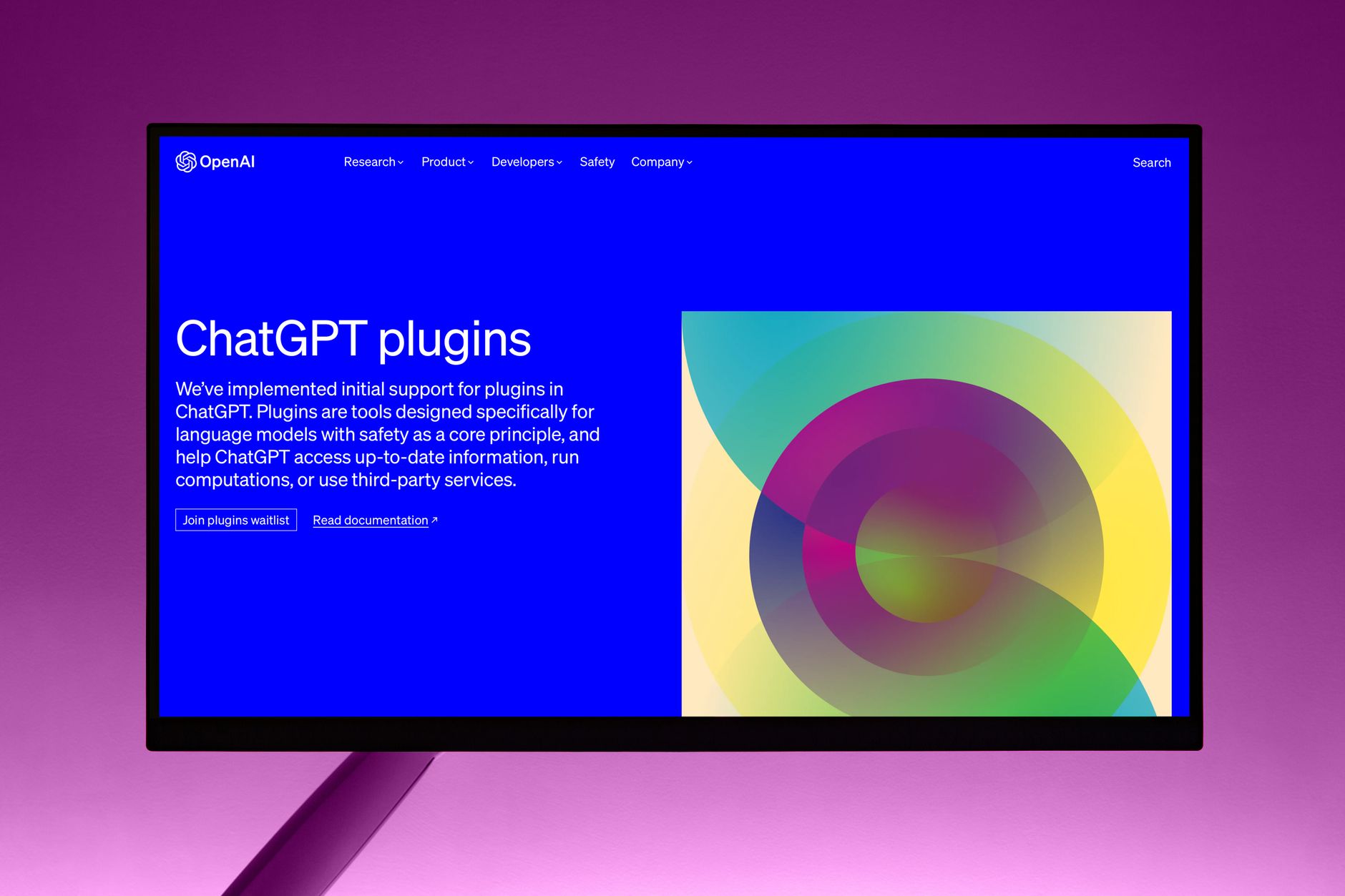
Another significant player is OpenAI, with its widely recognized ChatGPT. This model excels in natural language processing and is celebrated for its conversational abilities. However, it may lack the specific task orientation found in some of Meta’s offerings.
Google’s Bard is also in the mix, focusing on integrating search capabilities with AI interaction. It aims to deliver accurate information swiftly but can struggle with maintaining context over extended conversations.
Additionally, Microsoft’s Copilot targets enterprise applications, enhancing productivity tools by embedding AI directly within software such as Word and Excel. While this approach is highly effective for business needs, it may not cater to casual users seeking conversational AI agents.
Ultimately, the choice of the best AI agent depends on individual requirements, whether for personal use or professional enhancement. The emergence of Meta’s new models adds a compelling option to this competitive field.
User experiences with Meta’s models
Users have begun to share their experiences with Meta’s new AI agents, specifically the Muse Wonder Models, which have garnered attention for their innovative capabilities. Many users report a significant improvement in interaction quality compared to previous AI models. These enhancements include:
- Enhanced Personalization: Users appreciate the ability of the AI agents to tailor responses based on individual preferences and past interactions, leading to a more engaging experience.
- Improved Contextual Understanding: Feedback indicates that the models exhibit better comprehension of complex queries, allowing for nuanced conversations that feel more natural.
- Real-time Adaptation: Many users highlight the AI agents’ ability to adjust their responses dynamically, making the interaction feel more fluid and responsive to user needs.
However, some users have noted areas for improvement. A few interactions have resulted in unexpected or irrelevant responses, suggesting that while the models are advanced, they are not yet flawless. Additionally, concerns regarding privacy and data security continue to be a topic of discussion among users, with many wanting clarity on how their information is handled.
Overall, initial user experiences with Meta’s AI agents reflect a positive shift in the landscape of AI interaction, sparking interest in how these models will evolve and shape future applications.
Future of AI agents
The future of AI agents promises to be transformative, as advancements in technology continue to shape their capabilities and applications. Meta’s recent launch of the Muse Wonder Models signifies a crucial step forward in this evolution, aiming to enhance how these agents interact with users and process information. As competition in the AI market grows, the focus will increasingly shift towards creating agents that are not only efficient but also more intuitive and human-like in their response patterns.
One significant trend is the integration of machine learning algorithms that allow AI agents to learn from individual user interactions. This personalization can lead to more relevant and tailored responses, further improving user satisfaction. Additionally, there is a strong push towards ensuring ethical AI development, with companies like Meta committed to addressing biases and enhancing transparency in their models.
Furthermore, the expansion of AI agents into various sectors—such as healthcare, finance, and customer service—indicates a broadening of their utility. As organizations recognize the potential of these tools, investment in research and development is expected to increase, resulting in smarter and more capable agents. Overall, the future of AI agents holds great promise, with innovative solutions continually emerging to meet the evolving needs of users.
Challenges in AI technology
The rapid evolution of AI technology, particularly with the introduction of AI agents, has not come without its challenges. As companies like Meta push the boundaries of what these models can achieve, several issues have emerged that need to be addressed.
One significant challenge is the accuracy of AI agents. Despite advancements, these models can still produce inconsistent or erroneous outputs, which can lead to misunderstandings in critical applications. This inconsistency can undermine user trust and limit widespread adoption.
Additionally, there are concerns regarding bias in AI agents. Models trained on biased datasets can inadvertently perpetuate these biases, resulting in unfair or discriminatory outcomes. This raises ethical questions about the responsibility of developers and companies to ensure their AI agents operate equitably.
Another challenge is the complexity of integrating AI agents into existing systems. Organizations must navigate technical hurdles, including compatibility with legacy systems and data privacy concerns. This can slow down the deployment of these technologies and limit their effectiveness.
Lastly, the maintenance of AI agents is an ongoing challenge. Continuous updates and monitoring are necessary to keep these models performing optimally and securely. Addressing these challenges is crucial for the future success and acceptance of AI agents in various industries.
Photo by Matheus Bertelli on Pexels

One thought on “AI agents: Are Meta’s New Models the Best Solution?”