Philippine online gaming law is under scrutiny as law firm Arden advocates for regulations to prevent abrupt shutdowns similar to Brazil’s recent actions.
Understanding the Current Philippine Online Gaming Landscape
The Philippine online gaming law is a complex and evolving framework that governs the operations of online gaming businesses in the country. As the industry continues to grow, understanding the current landscape is essential for operators and stakeholders.
Currently, the Philippine online gaming sector is regulated by the Philippine Amusement and Gaming Corporation (PAGCOR), which oversees licensing and compliance. The law aims to create a safe environment for players while generating revenue for the government. However, concerns have been raised about the potential for sudden regulatory changes that could mirror the abrupt bans seen in other countries, such as Brazil.
To mitigate risks, operators must navigate several key areas:
- Licensing: Ensuring that all gaming operations are properly licensed under PAGCOR to avoid penalties.
- Compliance: Adhering to anti-money laundering regulations and other legal requirements is critical.
- Responsible Gaming: Implementing measures to protect players and promote responsible gaming practices.
As the landscape evolves, stakeholders are urged to stay informed and proactive in adapting to changes in the Philippine online gaming law to secure their operations against potential disruptions.
The Impact of Brazil’s Gaming Ban on Other Countries
The recent gaming ban in Brazil has raised concerns among various countries, including the Philippines, about the stability of their online gaming regulations. The Brazilian government’s sudden decision to impose restrictions on online gaming has sent ripples through the international gaming community, prompting countries to evaluate their own laws and practices.
In the Philippines, where the online gaming industry is a significant contributor to the economy, there is a growing call for clearer regulations to prevent a similar situation. Legal experts, including those from the Philippine law firm Arden, are advocating for a well-defined statute on online gaming to mitigate risks associated with abrupt bans, like those seen in Brazil.
Countries observing Brazil’s experience are taking notes on the importance of having robust legal frameworks in place. A few key impacts of Brazil’s gaming ban on other countries include:
- Regulatory Reevaluation: Nations are reassessing their online gaming laws to ensure they are comprehensive and adaptable.
- Investor Confidence: A stable legal environment is crucial for attracting investments in the online gaming sector.
- International Cooperation: Countries may seek to collaborate on regulations to prevent unilateral bans that disrupt the market.
In this context, the Philippine online gaming law must evolve to provide the necessary safeguards for its industry.
Why a Statute is Needed for Online Gaming
The need for a formal statute governing online gaming in the Philippines has become increasingly evident as the industry evolves. A clear legal framework can prevent the risks associated with abrupt bans, similar to the situation seen in Brazil. Without a dedicated law, operators face uncertainty, which can lead to inconsistent enforcement and sudden regulatory changes.
Currently, the Philippine online gaming landscape is characterized by a patchwork of regulations that can be difficult to navigate. This ambiguity may deter international investors and operators who seek stability and transparency. A well-defined statute can foster a more conducive environment for business growth while ensuring compliance with international standards.
Moreover, a comprehensive online gaming law can:
- Enhance consumer protection: Clear regulations can ensure that players are safeguarded against fraud and other illegal activities.
- Promote responsible gaming: A statute can establish guidelines for operator practices, ensuring that responsible gaming measures are in place.
- Increase tax revenue: A regulated online gaming sector can contribute significantly to government funds, benefiting public services.
In conclusion, implementing a Philippine online gaming law is essential to mitigate risks and create a stable, thriving gaming environment that can resist the influence of unexpected international bans.
Arden’s Recommendations for Lawmakers
In light of the current challenges facing the Philippine online gaming landscape, legal experts from Arden have put forth several recommendations for lawmakers to consider. These suggestions aim to create a robust legal framework that will safeguard the industry from sudden regulatory changes, similar to those experienced in Brazil.
Firstly, Arden advocates for the establishment of a comprehensive Philippine online gaming law that clearly delineates the parameters for operation within the country. This statute should address key issues such as licensing, taxation, and consumer protection, ensuring that operators comply with international standards.
Additionally, Arden recommends frequent consultations between lawmakers and industry stakeholders. This collaboration would help to foster an environment of transparency and mutual understanding, allowing for timely adjustments to regulations as the market evolves.
Moreover, it is crucial to implement a regulatory body dedicated solely to online gaming oversight. This entity would not only enforce the law but also provide guidance and support to operators, ensuring they remain compliant with the latest regulations.
Finally, Arden emphasizes the importance of public awareness campaigns to educate consumers about the legal landscape of online gaming. By promoting responsible gaming practices, lawmakers can further protect the integrity of the industry while fostering a safe environment for players.
Potential Consequences of Inaction
The Philippine online gaming law has become a critical focal point as stakeholders grapple with the potential consequences of inaction. Failing to establish a clear legislative framework may lead to significant disruptions in the burgeoning gaming industry. Without proper regulation, the sector is vulnerable to abrupt and sweeping bans akin to Brazil’s recent gaming restrictions.
Industry experts have highlighted several alarming repercussions that may arise from stagnant legal frameworks:
- Market Instability: Uncertainty in regulations can deter investments, causing financial instability within the online gaming sector.
- Job Losses: A sudden regulatory shift could lead to massive layoffs, impacting thousands of employees reliant on the gaming industry for their livelihood.
- Increased Illegal Activities: Without a structured legal framework, illegal gambling may flourish, undermining legitimate businesses and reducing tax revenues for the government.
- International Reputation: The Philippines risks losing its status as a favorable jurisdiction for online gaming if it does not proactively address regulatory gaps.
In light of these potential consequences, it is essential for lawmakers to take proactive measures in developing a comprehensive Philippine online gaming law that fosters a sustainable and secure environment for all stakeholders involved.
Future of Online Gaming in the Philippines
The future of online gaming in the Philippines hinges on the establishment of a clear and comprehensive legal framework. As the global landscape continues to evolve, the Philippine online gaming law must adapt to ensure sustainability and growth in the industry. With the increasing popularity of online gaming, stakeholders are eager to see regulations that not only protect players but also foster a thriving market.
In light of recent events, including Brazil’s gaming ban, there is a pressing need for proactive measures. A well-defined statute could mitigate the risks associated with sudden regulatory changes. This would provide operators with the confidence to invest in their businesses, ultimately leading to job creation and increased revenue for the government.
Key considerations for the future of online gaming regulation include:
- Consumer Protection: Ensuring safe and fair gaming environments for players.
- Taxation: Implementing appropriate tax structures that benefit both the industry and the state.
- International Standards: Aligning local laws with global best practices to attract foreign investment.
- Technological Adaptation: Keeping pace with advancements in gaming technology and online platforms.
By addressing these areas, lawmakers can pave the way for a robust online gaming sector that is resilient against potential future bans.
Understanding the Philippine online gaming law is crucial for operators to maintain compliance and avoid potential bans. By following the guidelines outlined in the Philippine online gaming law, businesses can ensure a sustainable future in the digital gaming landscape.
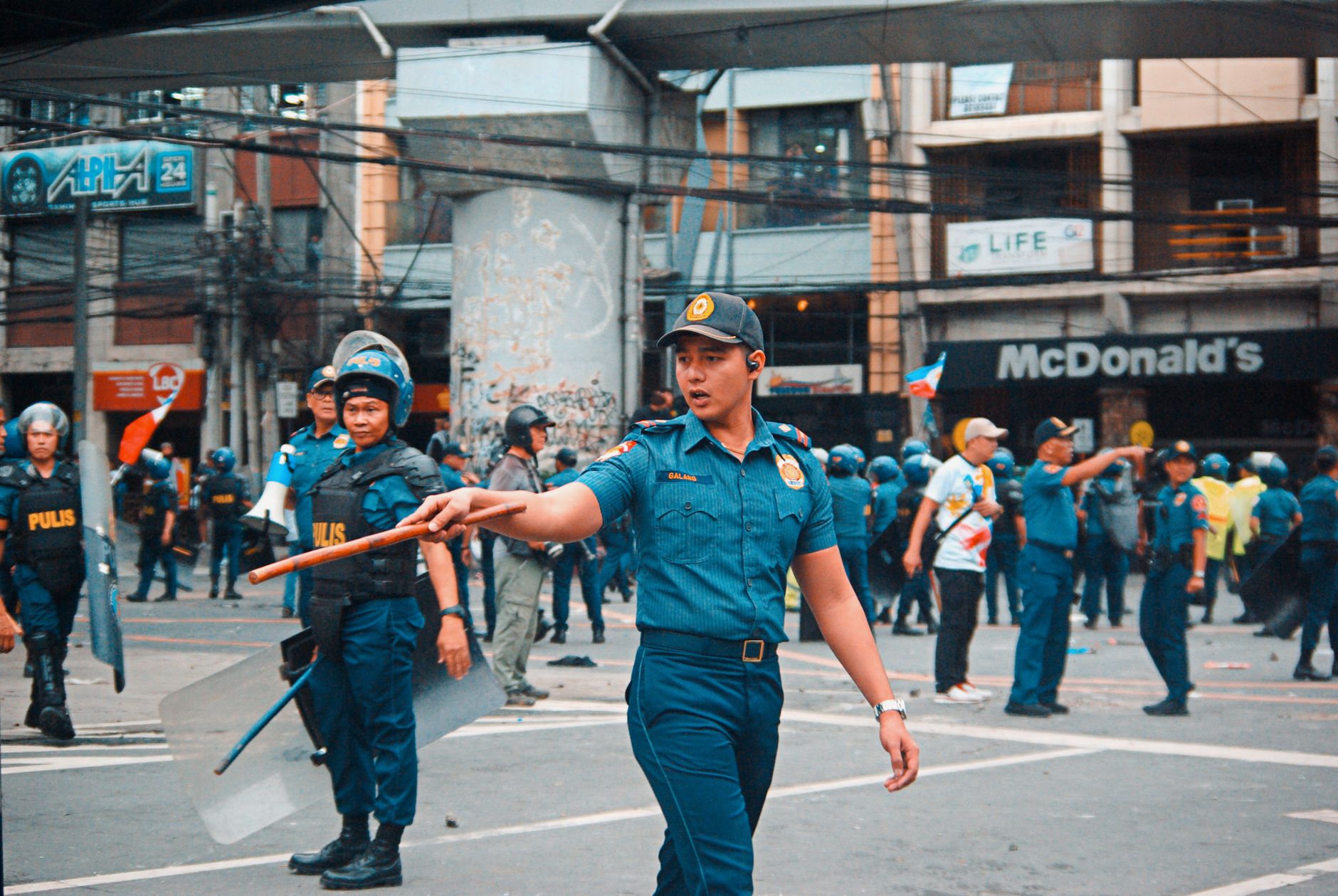
Photo by Mico Medel on Pexels
Read the original
Xbox Game Pass December 2026: Worst Games Leaving Soon · GI Joe Release Date: The Quick Guide to New Dates · OpenAI GPT-6 Cyber: Is It the Best AI Model for Security?
One thought on “Philippine online gaming law: Clear steps to avoid bans”