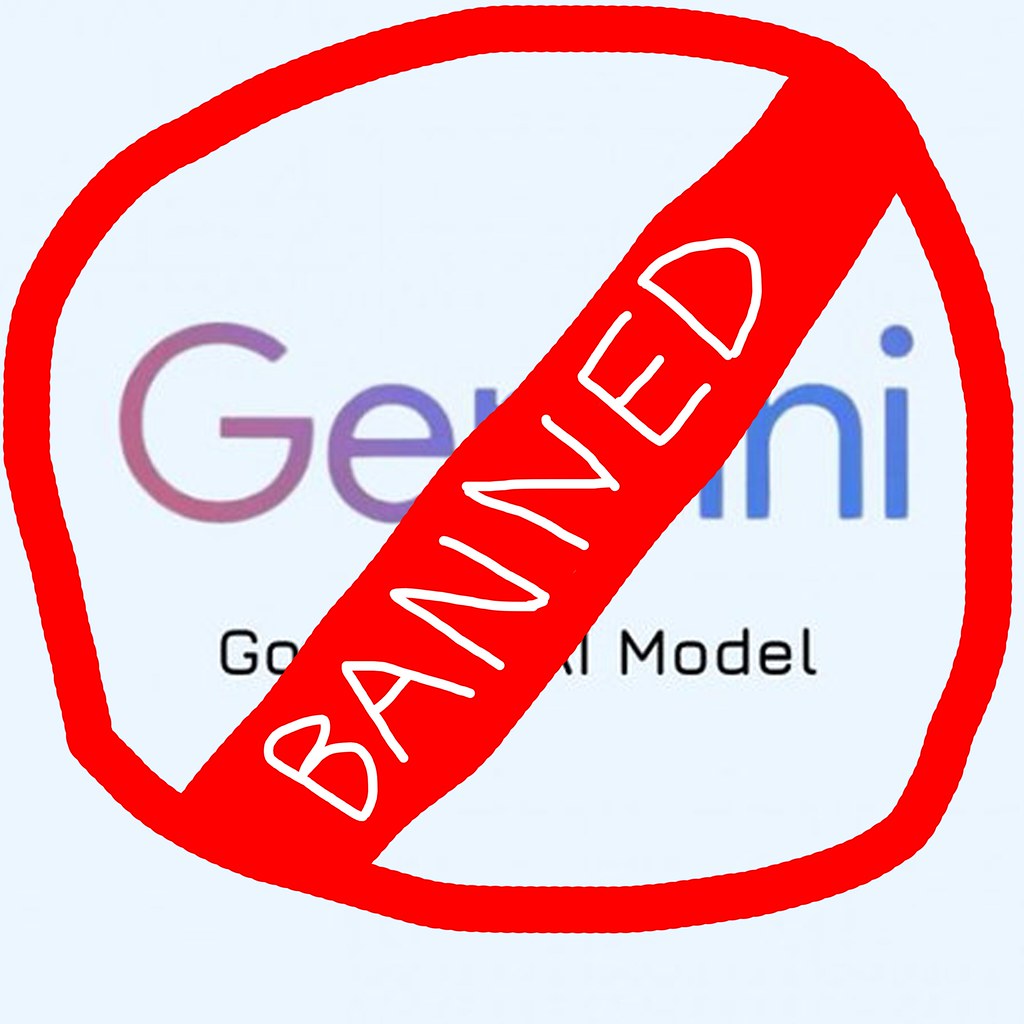
The Google Gemini model has recently undergone significant changes, cutting free access to just one model. This move has sparked discussions about its implications for users and developers alike.
What is the Google Gemini model?
The Google Gemini model represents a significant shift in the way artificial intelligence is developed and deployed by Google. Launched amidst much anticipation, this model aims to integrate various AI capabilities into a single, streamlined framework. Unlike its predecessors, Gemini focuses on enhancing user interaction and providing tailored responses based on individual preferences and behaviors.
One of the key features of the Google Gemini model is its ability to learn continuously from user interactions. This means that over time, it becomes more adept at understanding context and delivering relevant content. The model utilizes advanced algorithms to analyze data patterns and improve its predictive capabilities, setting a new standard in AI performance.
However, the introduction of the Gemini model has not been without controversy. Many users have expressed concerns about the transition from older models to this new system. Some argue that the change could lead to a loss of functionality that they have come to rely on. The decision to cut the free version of Gemini to just one model days after its announcement has also raised eyebrows, as users speculate about the implications for accessibility and usability.
The future of the Google Gemini model remains uncertain, but it is clear that this change has sparked a heated debate among tech enthusiasts and everyday users alike.
Recent changes to Google Gemini
In recent weeks, the tech community has been buzzing about the latest updates surrounding the Google Gemini model. These changes have sparked debates about their potential impact on users and developers alike.
One of the most significant alterations involves the reduction of free access to the Gemini model. Previously, users had the option to utilize multiple models without charge, but Google has now limited this to just one model. This decision has raised concerns among developers who relied on the variety of models for different applications.
Furthermore, the abrupt shift has left many wondering about the implications for innovation. The Google Gemini model was initially praised for its versatility and adaptability in handling various tasks. With the recent move to restrict access, some fear that the quality and diversity of applications may suffer.
Critics argue that this change follows a troubling trend of restricting access to powerful tools. The reduced availability of the Google Gemini model may lead to:
- Increased costs for developers who now need to pay for additional model access.
- Limited experimentation with AI capabilities that were previously accessible.
- Frustration among users who have come to rely on the breadth of options that Gemini provided.
As the situation unfolds, many will be closely monitoring how these changes affect the broader landscape of AI development.
User reactions to the new model
As the rollout of the Google Gemini model continues, user reactions have been mixed, with many expressing dissatisfaction over recent changes. Following the decision to cut free access to Gemini to just one model, users have taken to social media platforms and forums to voice their concerns.
- Confusion over functionality: Many users report confusion regarding the capabilities of the new model, stating that it is not delivering the expected performance. Some have noted a decline in the accuracy of search results, raising questions about the model’s effectiveness.
- Frustration over limitations: The reduction to a single model has frustrated users who appreciated the variety of options previously available. Many feel that limiting access undermines the potential benefits of the Google Gemini model.
- Calls for improvement: Feedback has centered around a desire for enhancements. Users are urging Google to refine the model based on their experiences, emphasizing the need for improved user support and clearer communication regarding changes.
Despite the backlash, some users remain cautiously optimistic, hoping that further updates may address the current shortcomings. As the situation unfolds, it is evident that the Google Gemini model will need to adapt quickly to meet user expectations and regain trust.
Comparing Gemini and Argon
In the ongoing debate about the efficacy of the Google Gemini model versus its predecessor, Argon, several key differences have emerged that highlight the strengths and weaknesses of both systems. While Gemini boasts advanced capabilities, users are increasingly questioning whether these enhancements justify the recent changes.
- Performance: The Gemini model has been designed to improve efficiency in processing queries, yet some users report that it has led to slower response times compared to Argon.
- Accuracy: While Gemini aims for higher accuracy in search results, early feedback suggests that users often find discrepancies, raising concerns about its reliability.
- User Interface: The transition from Argon to Gemini has also introduced a new user interface that some users find confusing, particularly those accustomed to the previous layout.
- Adaptability: Gemini is marketed as being more adaptable to user preferences, but many have noted that it fails to learn from individual interactions as effectively as Argon did.
As users weigh the pros and cons of the Google Gemini model, it becomes evident that while it offers certain improvements, many feel nostalgic for the familiarity and performance of Argon. The question remains whether these changes are genuinely beneficial or merely a setback in the evolution of Google’s search technology.
Future of Google AI models
The future of Google AI models, particularly with the introduction of the Google Gemini model, remains uncertain as users grapple with the recent changes. While Google has historically led the way in AI innovation, the rapid alterations in their offerings raise questions about the long-term vision of their AI strategy.
Industry experts have noted a few key areas to watch as the Google Gemini model evolves:
- Adaptability: As AI technology continues to progress, the ability of the Google Gemini model to adapt to user needs will be critical. Users hope for a more tailored experience that learns from individual interactions.
- Integration: Seamless integration with other Google services could enhance the functionality of the Gemini model, making it a more valuable tool for users.
- Feedback Mechanisms: Establishing effective channels for user feedback could help Google refine the Gemini model, ensuring it meets the needs of its diverse user base.
- Competitor Response: The reaction of competitors to the Google Gemini model will also shape its future. How other companies innovate in response could influence Google’s direction.
As these factors play out, the future of Google’s AI landscape could dramatically change, leaving users to wonder if the Google Gemini model represents a step forward or a step back.
Is the Google Gemini model worth it?
The introduction of the Google Gemini model has sparked considerable debate among users and industry experts alike. As the AI landscape evolves, many are left questioning whether the benefits truly outweigh the drawbacks. Here are some key points to consider:
- Performance Improvements: Proponents argue that the Gemini model enhances performance significantly, offering faster response times and improved accuracy in various tasks.
- User Experience: Some users have reported a smoother interface and more intuitive interactions, suggesting that the changes are aimed at elevating the overall user experience.
- Cost Implications: The recent decision to cut free access to Gemini models has raised concerns about accessibility. For many users, the cost of transitioning to a paid model could be a barrier.
- Feature Set: The Gemini model introduces new features that may appeal to certain segments. However, others feel that these features do not justify the transition from previous models.
- Market Competition: With competitors like Argon continuing to develop their capabilities, the question remains whether Google can maintain its edge with the Gemini model.
Ultimately, whether the Google Gemini model is worth it may depend on individual needs and the ability to adapt to these changes. As users continue to evaluate their experiences, the future trajectory of this model remains uncertain.
By PatrickRich via Openverse
Sources
Is F1 Bahrain GP Live Timing the Best Way to Follow? · Mythic Xbox Achievements: The Best Proven Strategies to Earn Them · Serverless AI Models: The Best Proven Solutions for Developers

One thought on “Google Gemini model: Is This the Worst Change Yet?”