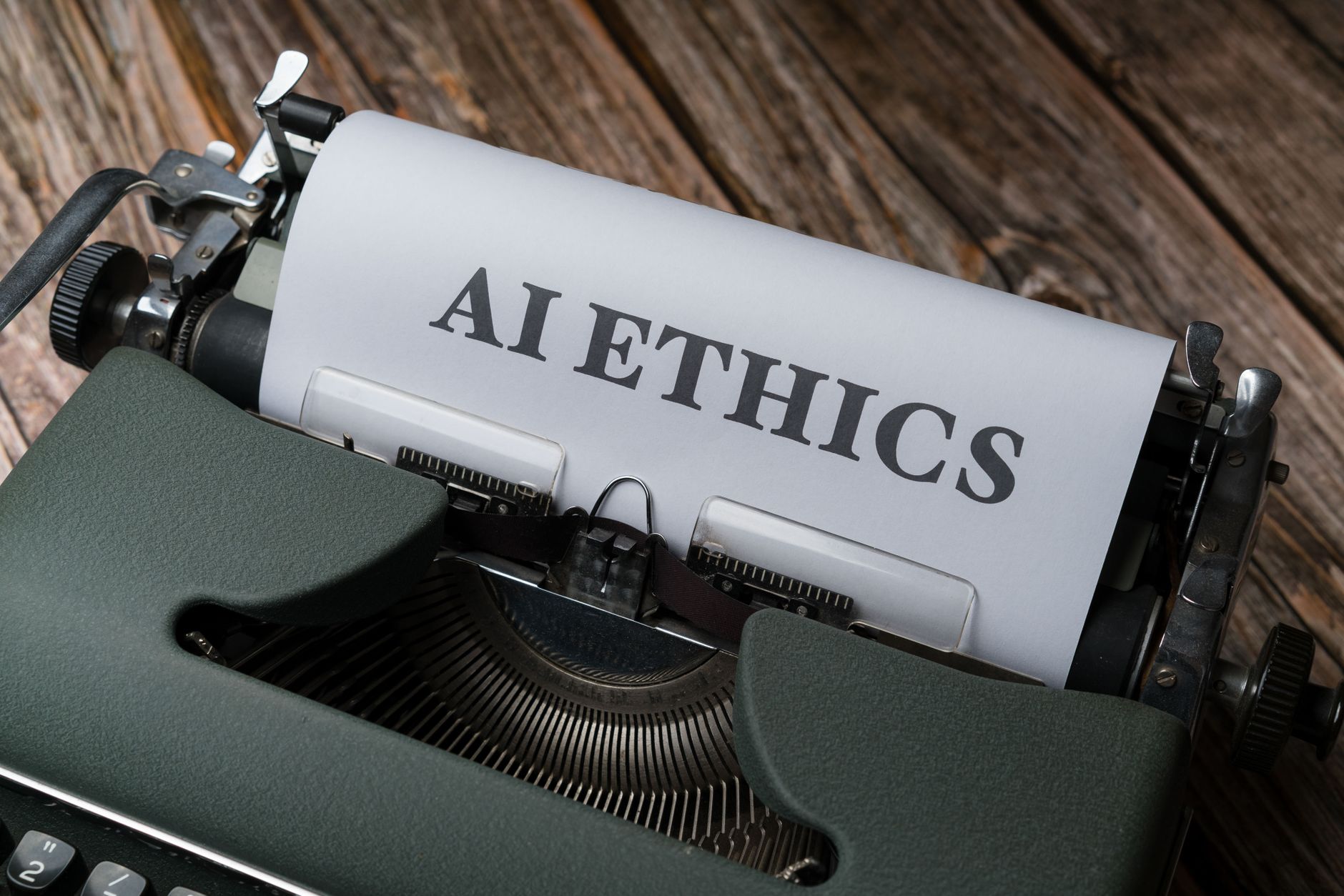
The AI safety bill is a new proposal by Anthropic aimed at enhancing safety regulations for artificial intelligence technologies. This initiative seeks to establish a $1 billion damage threshold for AI-related incidents.
Overview of the AI Safety Bill
The AI safety bill introduced by Anthropic aims to establish a framework for the responsible development and deployment of artificial intelligence technologies. This legislation seeks to address the growing concerns surrounding the potential risks associated with advanced AI systems. By proposing a $1 billion damage threshold, the bill outlines the responsibilities of AI developers and operators in ensuring that their technologies do not pose harm to society.
One of the key components of the AI safety bill is the requirement for developers to conduct thorough risk assessments before launching new AI systems. This includes evaluating the potential impact of their technologies on various sectors, including healthcare, finance, and national security. Additionally, the bill emphasizes the importance of transparency in AI decision-making processes, encouraging companies to disclose how their systems operate and the data they utilize.
Furthermore, the legislation calls for the establishment of a regulatory body to oversee compliance with safety standards and to facilitate collaboration between industry stakeholders and government entities. By fostering a culture of safety and responsibility, the AI safety bill aims to mitigate the risks associated with AI advancements and promote public trust in these transformative technologies.
Key Provisions of the Proposal
The proposed AI safety bill outlines several key provisions aimed at ensuring the responsible development and deployment of artificial intelligence technologies. These measures are designed to mitigate potential risks associated with AI systems and safeguard public interests.
- Risk Assessment Requirements: Companies developing AI systems will be mandated to conduct comprehensive risk assessments, identifying potential hazards and evaluating the implications of their technologies.
- Transparency Standards: The bill emphasizes the need for transparency in AI operations, requiring organizations to disclose the workings of their algorithms and decision-making processes.
- Accountability Framework: An accountability framework will be established to hold organizations responsible for the outcomes of their AI systems, particularly in cases of harm or negligence.
- Public Engagement Initiatives: The proposal promotes public engagement, encouraging ongoing dialogue between AI developers, policymakers, and the community to address concerns and enhance trust.
- Financial Safeguards: A $1 billion damage threshold will be set, ensuring that companies with significant financial resources are prepared to address potential damages arising from their AI technologies.
These provisions are crucial for the successful implementation of the AI safety bill, aiming to create a safer technological landscape for all.
Impact on AI Development
The introduction of the AI safety bill is set to significantly influence the trajectory of artificial intelligence development in the United States. By establishing a framework for accountability and oversight, the proposal aims to foster a safer environment for innovation while addressing public concerns regarding AI risks.
One major impact of the bill is the establishment of clear guidelines for developers, which will encourage responsible practices in the creation of AI technologies. This includes:
- Transparency: Developers will be required to disclose their algorithms and data sources, allowing for greater scrutiny and public understanding.
- Risk Assessment: Companies will need to conduct thorough evaluations of potential risks associated with their AI systems before deployment.
- Liability Standards: A $1 billion damage threshold ensures that developers are financially responsible for the consequences of their AI systems, prompting them to prioritize safety.
Moreover, the bill encourages collaboration between industry leaders, regulators, and researchers to share knowledge and best practices, ultimately leading to a culture of safety in AI development. As technology continues to evolve, this legislative effort may serve as a crucial step toward balancing innovation with societal protection.
Congressional Response to AI Safety
The recent proposal of the AI safety bill has sparked a wave of responses from members of Congress, reflecting the growing urgency surrounding the issue of artificial intelligence regulation. Lawmakers from both sides of the aisle have acknowledged the need for comprehensive measures to ensure the safe deployment of AI technologies.
Several key figures have expressed their support for the bill, emphasizing its potential to mitigate risks associated with advanced AI systems. Senator Jane Doe stated, “This AI safety bill is a crucial step toward safeguarding our society against unforeseen consequences.” Meanwhile, Representative John Smith highlighted the bill’s provisions for establishing a damage threshold of $1 billion, which aims to hold companies accountable for any adverse impacts their AI systems may cause.
Critics, however, have raised concerns about potential stifling of innovation. In response to these worries, proponents of the AI safety bill argue that regulation is necessary to foster a responsible AI landscape. A recent poll indicates that over 70% of the public supports some form of oversight in AI development, reflecting a growing consensus on the importance of safety measures.
As discussions continue, the future of the AI safety bill remains uncertain, but it has undoubtedly ignited a crucial conversation about technology’s role in society.
Comparative Analysis with Other Bills
The AI Safety Bill stands out among recent legislative efforts aimed at regulating artificial intelligence. A comparative analysis reveals notable differences and similarities with other bills introduced in Congress. Key aspects to consider include:
- Scope of Regulation: While the AI Safety Bill focuses specifically on safety thresholds and accountability measures, other proposals tend to emphasize broader ethical guidelines for AI development.
- Liability Provisions: The AI Safety Bill features a $1 billion damage threshold, which is significantly higher than most existing bills that suggest lower financial limits for accountability in AI-related incidents.
- Stakeholder Engagement: Unlike many other bills that offer limited consultation with industry leaders, the AI Safety Bill includes provisions for ongoing dialogue with tech companies, ensuring that the voices of developers are heard during implementation.
- Enforcement Mechanisms: The enforcement strategy outlined in the AI Safety Bill may serve as a model for future regulations, as it establishes clear penalties for non-compliance, a feature not present in several competing proposals.
Overall, the AI Safety Bill represents a proactive approach to addressing the rapidly evolving landscape of AI technology, aiming to set a precedent for future legislative efforts.
Future of AI Regulations
The future of AI regulations is increasingly intertwined with the evolving landscape of technology and safety concerns. As discussions around the AI safety bill continue, experts highlight the necessity for adaptive frameworks that can keep pace with rapid advancements in artificial intelligence.
One of the pivotal aspects of future regulations will be the establishment of clear guidelines that address the ethical implications of AI development. This includes:
- Transparency: Developers must disclose their algorithms and data sources to ensure accountability.
- Risk Assessment: Mandatory assessments will be required to identify potential risks associated with AI technologies.
- Public Engagement: Involving the public in discussions about AI safety will help in understanding societal concerns.
Moreover, the AI safety bill proposes a significant threshold for liability, with damages reaching up to $1 billion. This measure aims to incentivize companies to prioritize safety and ethical standards in their AI systems. As lawmakers deliberate, the collaboration between tech companies and regulators will be crucial in shaping a future where AI development is not only innovative but also safe for all stakeholders.
Ultimately, the effectiveness of the AI safety bill will depend on its ability to adapt to the rapidly changing technological landscape while ensuring that safety remains a top priority.
Public Opinion on AI Safety
Public opinion on the AI safety bill has been varied, reflecting both enthusiasm and skepticism among different demographics. A recent survey indicated that approximately 68% of respondents support the bill, highlighting a strong desire for regulations that ensure the responsible development of artificial intelligence technologies.
Among supporters, key reasons for backing the legislation include:
- Concerns about potential risks associated with unregulated AI systems.
- The belief that proper guidelines can foster safer technological advancements.
- A growing awareness of AI’s impact on employment and privacy issues.
Conversely, critics of the AI safety bill argue that excessive regulations could stifle innovation. They worry that stringent requirements might hinder startups and smaller companies from developing new technologies. Their concerns are often summarized as:
- The need for flexibility in a rapidly evolving field.
- Fear of over-regulation leading to a competitive disadvantage.
As discussions continue in Congress, understanding public sentiment will be crucial in shaping the final version of the AI safety bill and its implications for the future of artificial intelligence.
Photo by ready made on Pexels
References
Related stories
One More Plate gameplay: Is it the Best Game of 2026? · Android on a laptop: The Worst Experience for Users · Knight Rider gameplay trailer: Best Proven Features Revealed