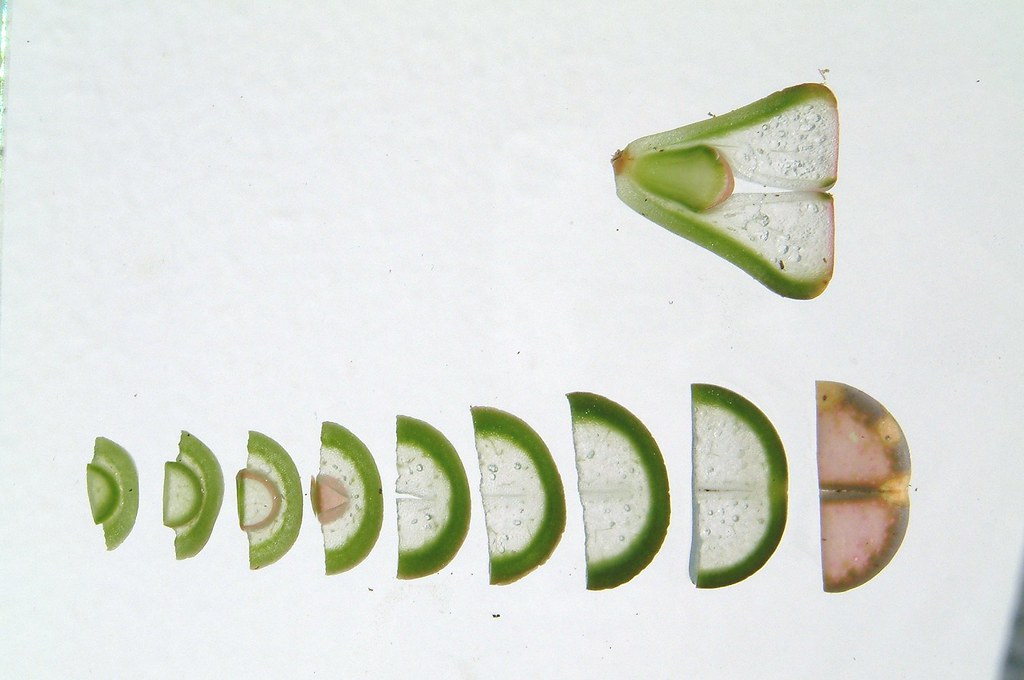
The new cell coating developed by scientists is set to revolutionize energy production within our cells. This innovative technology could lead to significant advancements in cellular efficiency and sustainability.
What is the new cell coating?
The new cell coating represents a groundbreaking advancement in cellular technology, designed to enhance the efficiency of energy production within cells. This innovative coating is applied to the membranes of cells, providing an extra layer of protection and functionality.
Developed by a team of scientists, this remarkable new coating is engineered to improve the energy conversion processes that occur in both plant and animal cells. By optimizing the interaction between cellular components and their environment, the coating significantly boosts the overall performance of cells.
Some key features of the new cell coating include:
- Increased Durability: The coating helps cells withstand harsh conditions, prolonging their lifespan.
- Enhanced Energy Efficiency: It allows for improved energy transfer mechanisms, making cells more efficient.
- Environmental Compatibility: Made from sustainable materials, the coating is eco-friendly and safe for biological applications.
As researchers continue to explore its potential, the new cell coating could revolutionize how we harness energy at the cellular level.
How does the new cell coating work?
The new cell coating operates by enhancing the efficiency and durability of cellular structures. This innovative technology involves the application of a specialized layer that interacts at the molecular level, promoting optimal energy conversion processes.
By utilizing nanotechnology, researchers have developed a coating that significantly improves the performance of mitochondria, the powerhouses of our cells. The new cell coating achieves this through several key mechanisms:
- Protection: It shields cells from harmful oxidative stress, which can damage cellular components and reduce energy production.
- Conductivity: The coating enhances electron transport, facilitating quicker and more efficient energy transfer within the cell.
- Stability: It provides a more stable environment for cellular reactions, ensuring that energy production remains consistent under varying conditions.
As scientists continue to explore the full potential of the new cell coating, its implications for energy solutions could be transformative. With the promise of higher efficiency and longevity, this advancement may pave the way for significant improvements in various applications, from renewable energy to medical therapies.
Benefits of the new cell coating
The introduction of the new cell coating presents numerous advantages that could transform energy efficiency in various applications. Here are some key benefits:
- Enhanced Energy Conversion: The new cell coating improves the efficiency of energy conversion processes, allowing cells to generate more power from the same amount of input.
- Increased Longevity: This innovative coating protects cells from environmental factors, thereby extending their operational lifespan and reducing maintenance costs.
- Improved Stability: The new cell coating maintains performance under a range of conditions, ensuring reliable energy output even in challenging environments.
- Cost-Effective Manufacturing: The application process for the new cell coating is designed to be scalable and economically viable, potentially lowering production costs for manufacturers.
- Environmental Benefits: By enhancing energy efficiency, this coating contributes to lower carbon emissions and supports sustainability efforts in energy production.
As scientists continue to explore its potential, the new cell coating could play a pivotal role in shaping the future of energy technologies.
Comparing old and new cell coatings
The development of the new cell coating has sparked significant interest in the scientific community, especially when compared to traditional coatings. Older cell coatings primarily offered basic protection and insulation, often leading to inefficiencies in energy transfer and cellular function.
In contrast, the new cell coating provides enhanced performance by improving energy retention and minimizing degradation over time. Below are some key differences between the two:
- Efficiency: The new cell coating enhances overall energy efficiency, allowing cells to perform at optimal levels.
- Durability: Unlike older coatings, which can wear down quickly, the new cell coating is designed to withstand environmental stressors.
- Compatibility: The new cell coating is compatible with a wider range of cellular structures, making it versatile for various applications.
- Cost-effectiveness: While the initial investment may be higher, the long-term benefits of the new cell coating can lead to reduced operational costs.
These advancements suggest that the new cell coating may outperform its predecessors, offering a promising solution for energy management in cellular technology.
Future implications for energy production
The introduction of the new cell coating has the potential to revolutionize energy production in various sectors. As researchers continue to explore its capabilities, several future implications emerge.
- Increased Efficiency: The new cell coating is designed to enhance the efficiency of energy conversion processes, potentially leading to higher outputs from renewable sources.
- Reduced Costs: With improved performance, this technology could lower the overall costs associated with energy production, making renewable energy more accessible to a wider audience.
- Environmental Impact: The adoption of the new cell coating could significantly reduce the carbon footprint of energy production, aligning with global efforts to combat climate change.
- Wider Applications: From solar panels to batteries, the versatility of this coating could lead to advancements in multiple energy-related technologies, enhancing their performance and longevity.
As the industry moves forward, the full impact of the new cell coating on energy production and sustainability will unfold, offering hope for a greener future.
Expert opinions on the new technology
Experts in the field have shared their insights on the potential of the new cell coating technology. Dr. Emily Carter, a biochemist at the Energy Research Institute, believes that this innovation could revolutionize energy efficiency in cellular processes. “The enhanced conductivity of the new cell coating allows for improved energy transfer, which is crucial for powering cellular functions effectively,” she stated.
Similarly, Professor Mark Thompson from the Department of Chemical Engineering expressed optimism about the coating’s durability. “Unlike traditional coatings, the new cell coating demonstrates remarkable resilience under various conditions. This longevity may lead to significant cost savings in energy production,” he noted.
However, some experts urge caution. Dr. Sarah Kim, a materials scientist, points out that while the advantages are promising, further research is necessary. “We must understand the long-term effects on cellular health and performance before fully integrating this technology into mainstream energy solutions,” she said.
Overall, the consensus among scientists is that while the new cell coating holds great promise, thorough testing and evaluation are essential to confirm its efficacy and safety.
Research and development behind the coating
The development of the new cell coating has emerged from extensive research aimed at enhancing energy efficiency in cellular structures. Leading scientists have dedicated years to exploring innovative materials that can protect and improve cell function.
In the quest for the ideal coating, researchers have focused on several key areas:
- Material Composition: Innovative compounds have been tested to create a protective barrier that also promotes energy transfer.
- Application Techniques: Advanced methods have been developed to ensure the coating adheres uniformly to various cell types.
- Performance Testing: Rigorous evaluations have been conducted to measure the coating’s effectiveness in real-world conditions.
Initial findings indicate that the new cell coating not only enhances energy output but also prolongs the lifespan of cells. This breakthrough could revolutionize energy production, making it more sustainable and efficient. As research progresses, scientists are optimistic that further refinements will lead to even greater advancements in cellular technology and energy solutions.
By yellowcloud via Openverse